
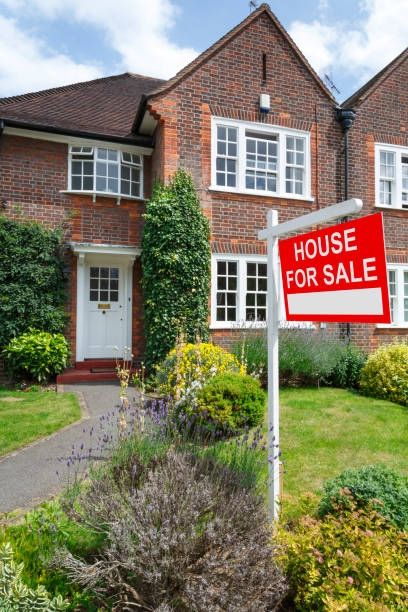
You want to sell your property. You also have a damp problem. Perhaps it is obvious: mould in the bedroom, staining on the walls, a musty smell that greets visitors. Perhaps it is hidden: moisture behind the kitchen units, rising damp you have learned to live with, condensation that only manifests in winter. Either way, you face a decision that affects both your sale price and your legal exposure.
The options seem straightforward. Fix the problem before selling. Disclose it and accept a reduced price. Or say nothing and hope nobody notices. In reality, each option has complexities that sellers often underestimate. Fixing may not be as simple or as valuable as you assume. Disclosure has legal requirements you cannot avoid. Concealment carries risks that can follow you long after completion.
This guide examines how damp affects property sales, what disclosure is legally required, when fixing before sale makes financial sense, how buyers and their surveyors assess damp, and how to navigate negotiations when damp is identified. The goal is to help you make informed decisions that protect both your sale proceeds and your legal position.
Table of Contents
- How Damp Affects Property Value
- The Legal Framework: What You Must Disclose
- The TA6 Property Information Form
- What Happens When Buyers Survey
- The Fix Before Sale Calculation
- When Fixing Makes Financial Sense
- When Selling As Is Makes More Sense
- Cosmetic Concealment: The Risks
- How Buyers Price Damp Risk
- Negotiating With Informed Buyers
- The Completion and Beyond
- Special Situations: Auctions, Cash Buyers, and Investors
- FAQs
- Conclusion
1. How Damp Affects Property Value
Damp problems affect property values through direct costs, perceived risks, and market dynamics. Understanding these effects helps you assess realistic sale prices and remediation value.
Direct Cost Impact
Damp remediation has quantifiable costs. Rising damp treatment with replastering might cost £8,000 to £15,000. Roof repairs addressing penetrating damp might cost £5,000 to £25,000. Basement waterproofing might cost £15,000 to £50,000 or more.
Buyers who identify damp problems factor these costs into their offers. A property worth £500,000 in good condition might attract offers of £485,000 if it needs £15,000 of damp work. The arithmetic is straightforward.
However, buyers typically discount by more than the direct cost. They add uncertainty premiums for risks that the problem is worse than it appears, that remediation might cost more than estimated, or that the remediation might not fully resolve the issue.
Perceived Risk Premium
Damp carries stigma beyond its direct costs. Properties known to have damp problems raise concerns:
Is the visible damp the full extent, or does hidden damage exist?
Will remediation work, or will problems recur?
What caused the damp, and has that cause been fully addressed?
Has structural damage occurred that is not immediately apparent?
These uncertainties cause buyers to discount more than the known remediation cost. A buyer might seek £25,000 off for a problem with £15,000 estimated remediation, reflecting their perception of risk.
Market Dynamics
Damp affects not just price but saleability. Properties with significant damp problems:
Attract fewer potential buyers (some will not consider properties needing work)
Take longer to sell (reducing the pool of interested buyers extends marketing time)
May not be mortgageable (lenders may decline or impose conditions)
Generate more failed transactions (buyers withdraw after survey findings)
These dynamics create pressure beyond simple price reduction. A property that languishes on the market for months signals problems to subsequent viewers, potentially requiring further price reductions.
The Compounding Effect
These factors compound. Direct costs plus risk premiums plus extended marketing time plus failed transaction costs can significantly exceed the underlying remediation expense.
A damp problem costing £10,000 to fix might ultimately cost £30,000 or more in reduced sale price, extended holding costs, and transaction friction. This compounding effect is why addressing damp before sale often provides better returns than accepting discounted offers.
2. The Legal Framework: What You Must Disclose
Sellers have legal obligations regarding disclosure. Understanding these obligations helps you comply with the law while managing your sale effectively.
The Principle of Caveat Emptor
English property law traditionally operates on caveat emptor: let the buyer beware. Buyers are responsible for investigating properties before purchase. Sellers are not required to volunteer information about defects.
However, this principle has significant limitations. Sellers must not actively misrepresent property condition. Sellers must answer specific questions honestly. And sellers must not conceal defects in ways that constitute fraud.
Misrepresentation
Misrepresentation occurs when a seller makes a false statement of fact that induces the buyer to purchase. Misrepresentation can be:
Fraudulent: Knowingly false statements made to deceive
Negligent: False statements made carelessly without reasonable grounds for belief
Innocent: False statements made honestly but incorrectly
All forms of misrepresentation can give buyers remedies including rescission (unwinding the sale) and damages. Fraudulent misrepresentation also exposes sellers to potential criminal liability.
For damp, misrepresentation might include:
Stating the property has no damp problems when you know it does
Claiming damp has been successfully treated when it has not
Providing false documentation about remediation work
Making statements about property condition that are demonstrably false
The Duty to Answer Honestly
While you need not volunteer information, you must answer questions honestly. The standard property information forms (TA6 in England) ask specific questions that require truthful responses.
Lying on these forms is misrepresentation. Half truths designed to mislead are equally problematic. If asked about damp and you know of problems, you must disclose them honestly.
Concealment as Fraud
Actively concealing defects can constitute fraud. If you take steps to hide damp (redecorating over mould, covering staining, deodorising to mask smells) with intent to deceive buyers, this goes beyond mere non-disclosure.
Concealment is distinguished from normal sale preparation. Cleaning and decorating a property for sale is expected. Specifically covering defects to prevent their discovery is potentially fraudulent.
The distinction can be subtle. Repainting a room is normal. Repainting specifically to cover damp staining, knowing the damp remains and will recur, is concealment.
3. The TA6 Property Information Form
The TA6 Property Information Form is the standard disclosure document in residential property transactions. Understanding how to complete it correctly protects you from future claims.
What the TA6 Asks About Damp
The TA6 includes specific questions about damp. Section 7 (Services) and other sections may relate to damp issues. The form asks about:
Whether you are aware of any damp problems
Any guarantees for damp proofing or timber treatment
Any disputes or complaints about the property
Any issues that might affect the buyer's use of the property
The questions require honest answers based on what you know. You are not required to investigate, but you must disclose what you are aware of.
How to Answer Honestly
For each question, consider what you actually know:
If you know of current damp problems, disclose them. Describe what you have observed and where.
If you had damp that has been treated, disclose the history, the treatment, and any guarantees.
If you have had complaints from tenants about damp, disclose this.
If you are genuinely unaware of any damp issues, you can say so honestly.
The answers should be accurate as of the date you complete the form. If circumstances change before completion, you should update your answers.
The "Not Known" Option
Many TA6 questions offer "Yes," "No," and "Not Known" responses. "Not Known" is appropriate when you genuinely do not know the answer.
However, "Not Known" is not a safe harbour for avoiding disclosure. If you know of damp problems, answering "Not Known" to damp questions is dishonest. Your knowledge, not your preference, determines the appropriate answer.
Consequences of Inaccurate Responses
Inaccurate TA6 responses can result in:
Claims for misrepresentation after completion
Rescission of the sale in serious cases
Damages to compensate buyers for losses
Contribution to repair costs the buyer incurs
Buyers who discover damp problems after completion often review the TA6 to assess whether they have claims against the seller. Inaccurate responses provide evidence for such claims.
4. What Happens When Buyers Survey
Most buyers commission surveys before purchasing. Understanding what surveyors look for and report helps you anticipate how your damp issues will be presented to buyers.
Types of Survey
Buyers typically commission one of:
RICS Home Survey Level 2 (formerly Homebuyer Report): A visual inspection identifying significant defects. Includes moisture readings at selected points.
RICS Home Survey Level 3 (formerly Building Survey): A more detailed inspection providing comprehensive assessment. Recommended for older properties and those in poor condition.
Mortgage Valuation: A basic assessment for the lender's purposes. Not designed to identify defects for buyers.
Level 2 and Level 3 surveys include assessment of damp. Surveyors take moisture readings, note visible signs of damp, and report concerns to buyers.
What Surveyors Identify
Surveyors identify damp through:
Visual observation of staining, mould, deteriorated finishes, and other visible signs
Moisture meter readings indicating elevated moisture in walls and other elements
Smell (musty odours indicating moisture problems)
Patterns suggesting specific damp types (tide marks for rising damp, localised staining for penetrating damp, corner mould for condensation)
Surveyors note what they find but typically do not diagnose causes in detail. They recommend further investigation by specialists when significant damp is identified.
Survey Report Language
Survey reports use careful language reflecting the limitations of visual inspection:
"Elevated moisture readings were noted..." describes findings without determining cause
"Further investigation by a specialist is recommended..." indicates concerns requiring expert assessment
"Evidence of damp was observed..." notes visible signs without comprehensive diagnosis
Buyers often interpret these findings as more alarming than intended. Surveyors are cautious, noting potential issues for further investigation. Buyers may read reports as confirming serious problems.
How Surveys Affect Negotiations
Survey findings commonly trigger:
Requests for price reduction to reflect remediation costs
Requests for further investigation (specialist damp surveys)
Requests for vendor to remediate before completion
Buyer withdrawal if findings are severe or concerning
Sellers should expect survey findings regarding damp to be raised. Even previously undisclosed issues will likely be identified. The question is not whether problems will be discovered, but how negotiations proceed after discovery.
5. The Fix Before Sale Calculation
Deciding whether to fix damp before selling requires comparing costs and benefits. This calculation is not always straightforward.
The Simple Arithmetic
In simple terms:
If remediation costs less than the price reduction you would otherwise accept, fix before selling.
If remediation costs more than the likely price reduction, sell as is.
Example: Remediation costs £8,000. Without remediation, you would need to reduce price by £15,000 to achieve a sale. Net benefit of remediation: £7,000.
However, this simple arithmetic overlooks several factors.
Factors Favouring Fix Before Sale
Several factors make fixing more attractive:
Certainty for buyers. A remediated property with documentation and guarantees is more attractive than a property with problems to address. Buyers pay more for certainty.
Broader buyer pool. Some buyers will not consider properties needing work. Fixing expands your market.
Mortgage availability. Lenders may decline properties with significant damp or impose retentions. Remediation removes this obstacle.
Faster sale. Properties in good condition sell faster. Time on market costs money and creates pressure.
Negotiating position. Starting negotiations from a position of good condition is stronger than defending known problems.
Factors Favouring Sell As Is
Other factors may favour selling without remediation:
Remediation complexity. If the problem is complex and outcomes uncertain, taking the price hit may be preferable to undertaking risky work.
Time pressure. If you need to sell quickly, spending weeks on remediation may not be practical.
Cash constraints. If you cannot fund remediation, selling at a discount may be the only option.
Buyer type. Investors and developers expect to undertake work. They may prefer to do it themselves rather than pay for your contractor's work.
Market conditions. In hot markets, even properties with problems sell well. In slow markets, fixing may be necessary to sell at all.
The Unknown Unknowns
A key uncertainty is whether remediation will resolve the problem completely. If you spend £10,000 on treatment and problems recur, you have spent money without achieving the benefit.
This argues for proper investigation before remediation. Understand what you are dealing with before committing to treatment. Effective treatment of the actual cause produces better outcomes than treating assumed causes.
6. When Fixing Makes Financial Sense
Certain situations clearly favour remediation before sale. Recognising these situations helps you decide.
Clear Diagnosis, Known Remedy
When the problem is clearly diagnosed and the remedy is well established, fixing makes sense. Examples include:
Penetrating damp from failed pointing, addressable by repointing
Rising damp from bridged DPC, addressable by lowering external ground levels
Condensation from inadequate ventilation, addressable by installing extract fans
These situations have predictable costs and reliable outcomes. Remediation produces a quantifiable benefit that likely exceeds its cost.
Visible Problems That Alarm Viewers
Visible damp problems create immediate negative impressions. Mould on walls, staining, peeling finishes, and musty smells all trigger buyer concern, often disproportionate to the actual severity.
Addressing these visible issues, even if underlying causes are not fully resolved, reduces negative first impressions. Properties that show well sell better than those that do not.
This is not concealment if disclosed honestly. You might remediate visible symptoms, disclose the history, and note that ventilation improvements have been made. The property presents better while disclosure maintains honesty.
Documentation Adds Value
Professional remediation with documentation adds value beyond the remediation itself.
A damp survey report showing the problem was properly diagnosed. Contractor documentation showing appropriate remediation. Guarantees providing protection for future owners. This package provides assurance that reduces buyer concern and justifies better prices.
DIY remediation without documentation provides less value. Buyers cannot verify what was done or rely on guarantees. Professional treatment with proper documentation is worth more than equivalent DIY work.
Mortgage Issues
If your property has damp issues that might affect mortgage availability, remediation becomes more important.
Lenders may decline to lend on properties with significant damp, or may require retentions (holding back part of the loan until work is completed). Either outcome restricts your buyer pool to cash buyers, reducing competition and likely price.
Remediation that resolves mortgage concerns expands your buyer pool to include mortgaged buyers, typically producing better prices.
7. When Selling As Is Makes More Sense
Other situations favour selling without remediation. Recognising these helps avoid wasted effort and expense.
Complex or Uncertain Problems
When the problem is complex, diagnosis is uncertain, or remediation outcomes are unpredictable, fixing before sale carries risk.
Basement waterproofing failures, historic building complications, and problems with multiple contributing factors all create uncertainty. You might spend substantial sums without fully resolving issues.
In these situations, disclosing the problem and selling at an appropriate price may be better than attempting remediation that might not work.
Investor and Developer Buyers
Some buyers actively seek properties with problems. Investors and developers buy below market value, undertake work themselves, and extract value from the improvement.
These buyers may prefer properties sold as is. They have their own contractors and methods. They do not want to pay retail for your remediation when they can do it at trade cost themselves.
If your property is likely to attract developer interest (perhaps it needs significant work beyond just damp), selling as is to this market may make sense.
Time Pressure
Remediation takes time. Investigation, contractor appointment, work completion, and drying time for damp related work can extend over weeks or months.
If you need to sell quickly (for financial reasons, relocation, or other pressures), time spent on remediation may not be available. A faster sale at a lower price may be preferable to delayed sale at a higher price.
Cash Constraints
Remediation requires upfront payment. If you cannot fund the work, you cannot remediate before sale regardless of whether it would be financially beneficial.
Options include borrowing (adding interest costs to the calculation), vendor finance arrangements (less common), or simply accepting reduced sale price.
8. Cosmetic Concealment: The Risks
Sellers sometimes attempt to hide damp problems through cosmetic means: redecorating over staining, treating mould superficially, using air fresheners to mask smells. This approach carries significant risks.
Discovery During Survey
Surveyors are trained to identify concealed damp. They look beyond fresh decoration to underlying conditions:
Moisture meters detect elevated moisture regardless of surface decoration
Thermal imaging identifies cold spots where condensation has occurred
Fresh decoration in specific locations (corners, below windows, at low level) triggers suspicion
Patterns inconsistent with normal decoration schedules suggest concealment
Concealment that is discovered damages your credibility. Buyers who discover hidden problems become suspicious about what else might be concealed. Trust breaks down, often killing the transaction.
Discovery After Completion
Even if concealment survives the survey, problems typically manifest after completion. The first winter reveals condensation patterns. The mould returns through fresh paint. The smell intensifies as the property settles.
Buyers who discover concealed problems have legal remedies. They can claim misrepresentation if you made false statements or completed forms dishonestly. They can potentially claim in fraud if concealment was deliberate. They may pursue you for repair costs, damages, and potentially rescission.
The limitation period for such claims is six years from discovery (for misrepresentation) or six years from the act (for breach of contract). Problems can follow you long after you have moved on.
The Honesty Alternative
Honest disclosure, combined with reasonable pricing, is typically better than concealment:
You satisfy legal obligations, protecting against future claims
Buyers know what they are getting and price accordingly
Transactions are less likely to fail after survey
You can move on without lingering liability
The short term benefit of concealment (potentially higher sale price) is rarely worth the long term risks (legal claims, stress, potential financial liability).
9. How Buyers Price Damp Risk
Understanding how buyers assess and price damp helps you anticipate negotiations and set realistic expectations.
The Investigation Phase
When surveys identify damp concerns, buyers typically seek further information:
Requests for specialist damp survey (sometimes asking you to commission, sometimes commissioning themselves)
Questions about history, previous treatments, and known issues
Requests for documentation of any remediation
Research into typical remediation costs
This investigation phase delays transactions and creates uncertainty. Providing information promptly helps maintain momentum.
Cost Estimation
Buyers estimate remediation costs through:
Specialist survey reports with cost indications
Contractor quotes obtained during the transaction
Online research and general knowledge
Advice from surveyors and professionals
These estimates vary in accuracy. Buyers often overestimate costs due to unfamiliarity with remediation options. However, high estimates create low offers, regardless of actual costs.
Risk Premium Calculation
Beyond estimated direct costs, buyers add risk premiums:
Contingency for costs exceeding estimates (typically 20 to 50%)
Discount for uncertainty about outcomes
Consideration of inconvenience during remediation
Concern about undiscovered related damage
These premiums can double the headline cost estimate. A problem with £10,000 estimated remediation might attract price reductions of £15,000 to £20,000 once risk premiums are added.
Walk Away Threshold
Some buyers have limits beyond which they walk away rather than negotiate:
The property is not worth the reduced price that problems require
Risk and uncertainty exceed their comfort level
They find alternative properties without complications
Mortgage conditions cannot be satisfied
You may not be able to negotiate with every buyer. Some will withdraw regardless of price adjustments.
10. Negotiating With Informed Buyers
When buyers have identified damp issues, negotiation follows. Handling this negotiation effectively protects your sale proceeds.
Information as Leverage
Providing clear information strengthens your position:
Professional survey reports showing the problem has been properly diagnosed
Quotes showing realistic remediation costs (not the inflated estimates buyers might obtain)
Documentation of any work already done
Evidence of appropriate maintenance
Sellers who understand their property's condition negotiate from knowledge. Sellers who seem unaware or evasive lose credibility.
Challenging Inflated Estimates
Buyers sometimes present inflated cost estimates to justify large price reductions. You can challenge these:
Obtain your own quotes showing lower costs
Point to specialist survey estimates if they support lower figures
Distinguish between necessary remediation and gold plated solutions
Question whether all items in buyer estimates are actually damp related
Negotiation should be based on realistic costs, not worst case scenarios.
Alternative Remedies
Price reduction is not the only response to damp findings. Alternatives include:
Vendor undertakes work before completion. You control the remediation and its cost. Buyers see the completed work before completing.
Retention from sale proceeds. An agreed sum is held by solicitors and released when work is satisfactorily completed after completion.
Reduced price with agreed allocation. The reduction specifically relates to damp, with both parties clear about what it covers.
Each approach has advantages. Undertaking work yourself may be cheaper than the reduction buyers seek. Retentions provide assurance for buyers without full price reduction. Agreed allocations avoid future disputes about what the reduction covered.
Knowing When to Concede
Negotiation requires knowing when to hold firm and when to concede.
Hold firm when buyer demands exceed reasonable remediation costs plus appropriate contingency.
Concede when demands reflect realistic costs and holding firm risks losing the sale.
Transaction costs of failed sales (remarketing, continued holding costs, new buyer negotiations) are significant. Sometimes accepting a reasonable reduction is better than holding out and losing the sale.
11. The Completion and Beyond
After completion, your obligations continue to some extent. Understanding post-completion position helps you manage residual risk.
What Completes With the Sale
On completion, property ownership transfers. The buyer takes the property with its actual condition, whatever that may be.
Disclosed issues are the buyer's problem after completion. If you honestly disclosed damp problems and the buyer purchased knowing about them, they cannot subsequently claim against you for those known issues.
This is why honest disclosure matters. It creates a clean break at completion.
What Does Not Complete
Claims for misrepresentation survive completion. If you made false statements that induced the purchase, buyers can pursue claims after discovering the truth.
Fraudulent concealment claims survive completion. If you deliberately concealed defects, buyers can pursue claims when they discover the concealment.
Warranty and guarantee obligations may survive. If you provided specific assurances about remediation or property condition, these may be enforceable after completion.
Managing Post-Completion Risk
To minimise post-completion risk:
Complete disclosure forms honestly and accurately
Do not make verbal representations that go beyond written disclosures
Do not actively conceal defects
Document any remediation work properly
Transfer any guarantees to buyers
If you have complied with disclosure obligations honestly, post-completion claims are difficult for buyers to pursue. If you have concealed or misrepresented, you remain vulnerable for years.
Limitation Periods
Claims must be brought within limitation periods:
Contract claims: 6 years from breach (12 years for deeds)
Misrepresentation claims: 6 years from when the buyer discovered or should have discovered the misrepresentation
Fraud claims: 6 years from discovery
The practical effect is that significant concealment creates liability that can emerge years after completion. A problem concealed in 2026 might generate a claim in 2030 when buyers finally discover the truth.
12. Special Situations: Auctions, Cash Buyers, and Investors
Certain sale routes handle damp differently. Understanding these alternatives helps you choose appropriate strategies.
Auction Sales
Properties sold at auction sell with all faults. Buyers bid based on their own assessment and bear the risk of problems discovered after purchase.
Auction sale may suit properties with significant damp issues that complicate conventional sale:
No gazundering (reducing offers after acceptance)
No buyer withdrawal after survey (buyers do due diligence before bidding)
Completion typically within 28 days
Attracts buyers seeking properties with problems
However, auction prices may be lower than achievable through private treaty for the same property. The convenience of auction sale comes at a price discount.
You must still comply with disclosure obligations. The auction legal pack should include honest property information. Misrepresentation claims remain possible even for auction sales.
Cash Buyers
Cash buyers do not require mortgage approval. This removes concerns about lender refusal or retention requirements for damp properties.
Cash buyers may be:
Investors seeking rental yields
Developers seeking properties to improve
Owner occupiers who happen to have cash
Individuals wanting faster, simpler transactions
Cash buyers often expect discounts reflecting the convenience they offer. For damp affected properties, cash buyers remove mortgage uncertainty but may seek larger discounts than mortgaged buyers would require.
Investors and Developers
Professional investors and developers actively seek properties with problems. They have systems for assessment, trusted contractors, and experience with remediation.
Selling to this market means:
They expect lower prices (their business model requires buying below market)
They are less alarmed by damp (it is an expected factor to manage)
They do their own investigation rather than relying on vendor surveys
They may complete faster with less negotiation
If your property has significant issues that would frighten conventional buyers, the investor market may be the most practical route. You accept lower price but gain certainty and speed.
Quick Sale Companies
Companies offering guaranteed quick sales typically buy well below market value. They provide certainty and speed but at significant cost.
For severely damp affected properties that are difficult to sell conventionally, quick sale companies may be a last resort. Do not use them without exploring other options first; the discount they require is typically substantial.
13. FAQs
Do I have to disclose damp if the buyer does not ask specifically?
You must complete disclosure forms honestly, and these ask about damp. You must not misrepresent the property's condition. You must not actively conceal defects. If a buyer asks directly about damp, you must answer honestly. While you need not volunteer information beyond what forms require, attempting to hide known problems creates legal risk.
Can I sell without a survey to avoid damp being identified?
Buyers choose whether to survey; you cannot prevent it. Most buyers, especially mortgaged buyers, commission surveys. Even cash buyers often survey. Hoping buyers will not survey is not a reliable strategy and does not eliminate your disclosure obligations.
The damp was treated years ago and has not returned. Do I need to disclose the history?
Yes. The TA6 asks about damp guarantees and previous treatments. Historic damp that was successfully treated should be disclosed, along with details of the treatment and any guarantees. This is positive information showing the problem was properly addressed.
A buyer is demanding a huge reduction for minor damp. How do I respond?
Challenge the basis for their demand. Request their evidence for the cost estimate. Provide your own quotes or survey reports showing lower costs. Point out what is actually needed versus what they claim. Be prepared to negotiate but do not concede unreasonable demands. If they are being unreasonable, they may not be the right buyer for your property.
What if the buyer discovers damp after completion that I genuinely did not know about?
If you genuinely did not know about the problem and answered disclosure forms honestly, you have no liability. Caveat emptor applies to problems the seller did not know about. However, if evidence suggests you should have known (obvious signs, previous tenant complaints, earlier surveys you received), claims remain possible.
Should I get a damp survey before selling so I know what I am dealing with?
This is often advisable. Understanding your property's condition helps you decide whether to remediate, how to price, and how to respond to buyer concerns. However, once you have a survey, you know what it says, and that knowledge affects your disclosure obligations. If the survey reveals problems, you must disclose them honestly.
14. Conclusion
Selling a property with damp involves balancing financial interests, legal obligations, and practical realities. There is no single right approach; the best strategy depends on your specific situation.
Disclosure is not optional. You must complete property information forms honestly. You must answer buyer questions truthfully. You must not actively conceal defects. These obligations protect buyers but also protect you from post-completion claims.
Fixing before sale often makes financial sense when problems are clearly diagnosed, remediation is reliable, and the cost is less than the price reduction you would otherwise face. Professional remediation with documentation adds value beyond the work itself by providing certainty that buyers will pay for.
Selling as is makes sense when problems are complex, outcomes uncertain, buyer type favours as is purchase, or time and cash constraints prevent remediation. Honest disclosure combined with appropriate pricing creates a clean transaction that allows you to move on.
Concealment is almost never worth the risk. Short term price benefits are outweighed by legal exposure that can last years. Buyers who discover concealed problems have remedies. The stress of potential claims diminishes any benefit from higher sale prices.
Understanding how buyers assess damp helps you negotiate effectively. Providing clear information, challenging inflated estimates, and offering alternatives to simple price reduction all contribute to better outcomes.
The best sales combine honest disclosure with proactive management of identified issues. Sellers who understand their property's condition, present it honestly, and negotiate from knowledge achieve better results than those who hope problems will go unnoticed.
Henderson Wood provides damp surveys for property sellers across London. Our surveys help you understand your property's condition before going to market, supporting decisions about remediation and informing honest disclosure. Whether you are preparing to sell a property with known damp issues or want to understand conditions before listing, professional assessment provides the foundation for successful sale.
Selling with damp is not ideal. But selling honestly, with full understanding of the issues and realistic expectations, achieves the best achievable outcome.