
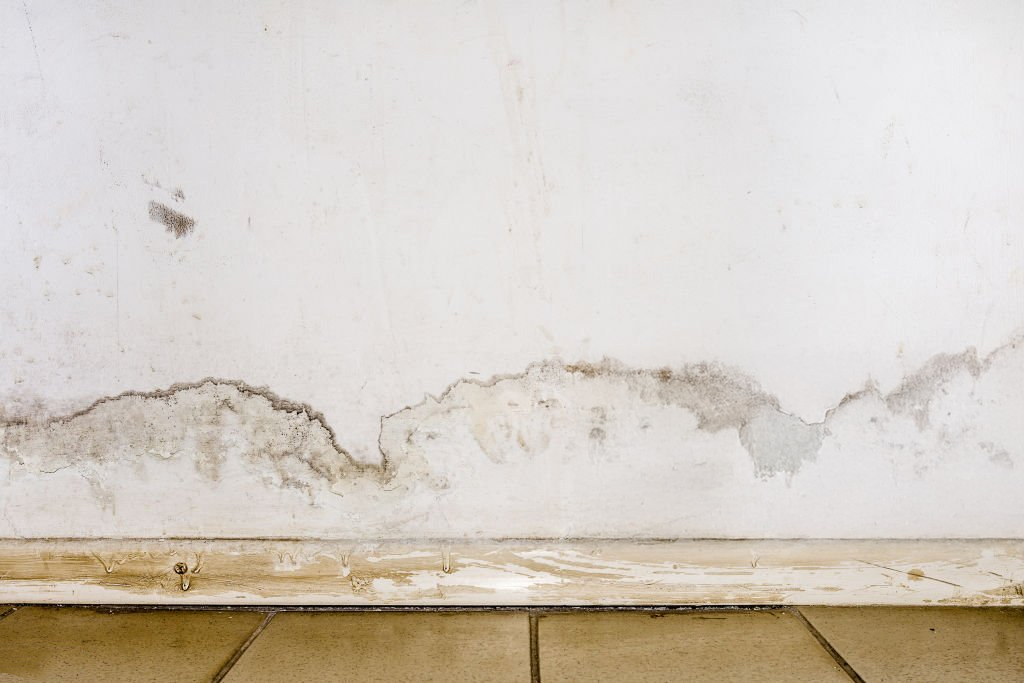
Damp is damp. Water in your walls causes damage regardless of where it came from. So why does it matter whether you have rising damp, penetrating damp, or condensation?
It matters because treatment depends entirely on cause. A chemical damp proof course injected to treat rising damp does nothing for penetrating damp coming through your roof. Improved ventilation that resolves condensation will not stop water entering through failed pointing. Thousands of pounds spent on the wrong treatment leaves you with the same wet walls you started with, plus a lighter bank account.
The damp treatment industry has a troubling history of misdiagnosis. Rising damp in particular has been massively over diagnosed for decades, with some studies suggesting the majority of rising damp diagnoses are incorrect. Homeowners pay for expensive chemical injection treatments when their actual problem is condensation that could be resolved with better ventilation, or penetrating damp that requires external repairs.
This guide explains how each type of damp works, how to recognise the characteristic signs of each, and how to avoid the expensive mistake of treating the wrong problem. Whether you are trying to understand damp in your own home or evaluating a diagnosis from a damp treatment company, this information helps you make informed decisions.
Table of Contents
- Understanding How Moisture Moves Through Buildings
- Rising Damp: What It Is and How It Works
- Recognising Rising Damp: The Characteristic Signs
- Why Rising Damp Is Massively Over Diagnosed
- Penetrating Damp: External Water Finding Its Way In
- Recognising Penetrating Damp: Patterns and Locations
- Common Penetrating Damp Sources in London Properties
- Condensation: The Most Common Cause of Damp
- Recognising Condensation: Where and When It Occurs
- The Overlap Problem: When Multiple Causes Combine
- Diagnostic Methods: How Professionals Tell the Difference
- Why Accurate Diagnosis Matters: Treatment Implications
- FAQs
- Conclusion
1. Understanding How Moisture Moves Through Buildings
Before examining each damp type individually, understanding how moisture behaves in buildings provides essential context. Water moves through structures in predictable ways governed by physical principles. Recognising these patterns helps distinguish between different damp causes.
The Three Routes for Water Entry
Water enters buildings through three fundamental mechanisms, each corresponding to a different damp type.
Rising damp involves water moving upward from the ground through porous building materials by capillary action. This is the same principle that draws water up through a paper towel or a plant stem. Tiny pores in brick, stone, and mortar act as capillary tubes, pulling groundwater upward against gravity.
Penetrating damp involves water entering through the external envelope of the building: walls, roof, windows, or other openings. Rain is the primary source, though leaking pipes and defective gutters can also cause penetrating damp. Water moves through the building fabric following gravity and paths of least resistance.
Condensation involves water vapour in the air converting to liquid water when it contacts a cold surface. This is the same process that causes water droplets on a cold drink glass. Warm air holds more moisture than cold air, so when warm moist air meets a cold surface, it releases water.
Why Water Causes Damage
Water in building materials causes damage through several mechanisms that operate regardless of how the water arrived.
Timber absorbs moisture and becomes vulnerable to fungal decay. Wet rot and dry rot (which despite its name requires moisture to establish) break down timber structure, potentially causing structural failure. Floor joists, lintels, roof timbers, and other structural elements are all vulnerable.
Plaster and render deteriorate when persistently damp. The binding materials break down, causing crumbling and loss of adhesion. Salt crystallisation within porous materials creates pressure that causes spalling and surface breakdown.
Mould grows wherever moisture levels are elevated. Different mould species thrive in different conditions, but all require moisture. Mould causes health problems (respiratory issues, allergic reactions) and aesthetic damage (staining, musty smells).
Metals corrode in damp conditions. Embedded metal elements, wall ties, reinforcement in concrete, and fixings all deteriorate faster when moisture is present.
The Importance of Correct Identification
Because the damage mechanisms are similar regardless of water source, visual damage alone often cannot identify the cause. A wall with deteriorated plaster, mould growth, and staining might be suffering from any of the three damp types, or a combination.
Effective treatment requires addressing the actual water source. This means looking beyond the visible damage to understand how and why water is present in that location. The patterns of moisture distribution, the locations affected, and the relationship to external conditions all provide diagnostic information.
2. Rising Damp: What It Is and How It Works
Rising damp is the upward movement of groundwater through porous masonry by capillary action. It occurs when there is no effective barrier preventing this upward movement. While genuinely occurring rising damp exists, it is far less common than the frequency of diagnosis suggests.
The Capillary Action Mechanism
Capillary action occurs in narrow tubes or pores where the adhesion of water to the tube walls is stronger than the cohesive forces within the water itself. Water is drawn upward against gravity until the weight of the water column exceeds the capillary force.
In masonry walls, the network of tiny pores in bricks and mortar acts as a capillary system. Groundwater in contact with the base of the wall is drawn upward through these pores. The height water can rise depends on pore size: smaller pores create stronger capillary action and allow water to rise higher.
The practical height limit for rising damp in typical masonry is generally considered to be around one metre, though this varies with material porosity and environmental conditions. Rising damp rarely exceeds 1.5 metres even in the most porous materials. Claims of rising damp affecting walls at heights of two metres or more should be treated with scepticism.
The Role of Damp Proof Courses
Buildings are designed with damp proof courses (DPCs) to prevent rising damp. A DPC is a horizontal barrier within the wall that groundwater cannot cross by capillary action. The barrier interrupts the capillary pathway and stops water rising further.
Traditional DPCs in Victorian and Edwardian properties were typically slate, engineering brick, or bituminous felt positioned just above external ground level. Modern properties use plastic DPC membranes. All these materials are essentially impermeable to capillary water movement.
Rising damp occurs when the DPC is absent (in very old buildings predating DPC requirements), when the original DPC has failed or deteriorated, or when the DPC has been bridged by materials allowing water to bypass it.
Conditions Required for True Rising Damp
For genuine rising damp to occur, several conditions must be present simultaneously.
There must be a moisture source in the ground. Soil in contact with the wall base must contain water available for capillary uptake. In well drained soils distant from water tables, insufficient moisture may be present.
There must be a capillary pathway. The masonry must be sufficiently porous to allow capillary action. Dense engineering bricks and some stones have pores too small for significant capillary rise.
There must be no effective DPC. Either the building lacks a DPC entirely, the existing DPC has failed, or the DPC has been bridged by rendering, external ground raising, or internal floor level changes.
Evaporation conditions must allow moisture accumulation. Water rising through walls evaporates at the surface. If evaporation exceeds the rate of rise, the wall remains relatively dry. Rising damp becomes problematic when the rate of rise exceeds the rate of evaporation.
3. Recognising Rising Damp: The Characteristic Signs
Genuine rising damp produces distinctive patterns that help distinguish it from other damp types. Recognising these patterns is the first step in accurate diagnosis.
The Tide Mark
The most characteristic sign of rising damp is a horizontal tide mark on the wall, typically between 300mm and one metre above floor level. This mark represents the maximum height of capillary rise and is usually fairly consistent in height across the affected wall.
Above the tide mark, the wall is relatively dry. Below it, the wall shows elevated moisture. The transition may be gradual or relatively sharp depending on the porosity of the materials and the rate of moisture movement.
The tide mark often appears as a distinct colour change, with the damp zone appearing darker than the dry area above. Old tide marks may show as a line of deteriorated plaster or a band of salt deposits even after the wall has dried.
Salt Deposits (Efflorescence)
Rising groundwater contains dissolved salts picked up from the soil and masonry it passes through. As water evaporates from the wall surface, these salts are deposited. Repeated cycles of wetting and drying concentrate salts at the evaporation zone.
These salt deposits appear as white crystalline growths on the wall surface, a phenomenon called efflorescence. In rising damp, efflorescence concentrates at and just below the tide mark, where evaporation is most active. Heavy salt contamination causes plaster to crumble and paint to flake as crystals form within the porous surface layer.
Salt presence can be tested. Chlorides and nitrates are particularly associated with rising damp because they originate from ground sources. High levels of these salts at low level with lower levels higher up support a rising damp diagnosis.
Consistent Distribution Across Affected Walls
Rising damp affects all parts of a wall in contact with damp ground similarly. The tide mark height should be relatively consistent along the length of an affected wall. If one section shows damp at 800mm while an adjacent section shows damp at 1.5 metres, rising damp alone is unlikely to explain the pattern.
Rising damp also affects both sides of the wall if both faces are exposed. In an internal room where both faces of an external wall are visible (perhaps in adjacent rooms), both faces should show similar patterns if rising damp is the cause. Damp on one face only suggests other causes.
Seasonal Variation
Rising damp varies with ground moisture levels. After wet winters, groundwater levels are higher and rising damp is more pronounced. During dry summers, groundwater drops and rising damp reduces. This seasonal pattern helps confirm rising damp diagnosis.
However, the walls do not dry instantly when ground moisture reduces. Materials that have absorbed moisture release it slowly. Seasonal variation in rising damp is gradual, not dramatic. Damp that appears suddenly after rain and disappears quickly when weather improves is more likely penetrating damp or condensation.
4. Why Rising Damp Is Massively Over Diagnosed
Rising damp has become one of the most controversial topics in building pathology. Research consistently shows that genuine rising damp is far less common than the frequency of diagnosis suggests. Understanding why misdiagnosis occurs helps homeowners evaluate diagnoses critically.
The Commercial Incentive Problem
Many damp diagnoses are provided by companies that sell damp treatment. This creates an inherent conflict of interest. A diagnosis of rising damp leads to recommendations for chemical injection DPC installation, which generates revenue for the diagnosing company. A diagnosis of condensation leads to recommendations for ventilation improvements that generate no revenue.
Independent research has repeatedly found that properties diagnosed with rising damp by treatment companies frequently have no rising damp when assessed by independent experts. The most cited study, by Jeff Howell in the 1990s, found that the majority of rising damp diagnoses in his sample were incorrect. More recent research has confirmed this pattern continues.
This is not to say all damp treatment companies are dishonest. Many genuinely believe their diagnoses are correct. But the commercial model creates pressure toward diagnoses that generate treatment sales, and the industry's diagnostic methods are often inadequate to support the conclusions drawn.
Limitations of Standard Diagnostic Equipment
The standard tool for damp diagnosis is the electrical resistance moisture meter, a handheld device with two pins that measures electrical resistance between them. Lower resistance (displayed as higher readings) indicates more moisture because water conducts electricity.
These meters have significant limitations that are often not explained to homeowners.
They do not measure moisture content directly. They measure electrical resistance, which correlates with moisture but is also affected by salt content, metal presence, and other factors. Salt contaminated walls give high readings even when relatively dry because salts are conductive.
They measure only at the surface. The pins typically penetrate only 10 to 30mm. Deeper moisture or moisture distribution through the wall thickness cannot be assessed.
They cannot identify moisture source. A high reading indicates moisture presence but says nothing about whether that moisture came from the ground, through the wall, or from condensation.
Readings from resistance meters are often misinterpreted. A high reading at low level is assumed to indicate rising damp when it might indicate salt contamination from historic moisture, condensation behind furniture, or penetrating damp from high external ground level.
Condensation Mimicking Rising Damp
Condensation commonly occurs at the base of walls, where it can produce patterns that appear similar to rising damp.
External walls are coldest at low level because cold air sinks and accumulates at floor level. The internal surface of the wall at low level may be significantly colder than at higher levels. Warm moist air circulating in the room contacts this cold lower wall zone and deposits condensation.
Furniture against walls exacerbates this. Beds, sofas, and cabinets placed against external walls block air circulation and keep the wall cold while trapping warm moist air. Condensation forms behind the furniture, affecting the lower portion of the wall where furniture typically sits.
The resulting damp pattern, moisture concentrated at the base of walls, can look very similar to rising damp on visual inspection. Moisture meter readings confirm moisture presence but cannot distinguish the cause.
Penetrating Damp at Low Level
Water can also enter walls at low level from external sources other than rising groundwater.
Defective rendering allowing rain penetration at ground level causes damp that appears to rise from the base. Splashback from hard surfaces directing rainwater against walls creates similar patterns. Blocked or defective ground drainage saturating soil against walls provides a moisture source that enters laterally rather than rising.
High external ground levels are a particularly common cause of misdiagnosed rising damp. If external ground level is above the internal floor level or above the DPC, moisture can enter the wall above the DPC and travel downward on the inside. This is technically penetrating damp, but it manifests at low level and is often misdiagnosed as rising damp.
5. Penetrating Damp: External Water Finding Its Way In
Penetrating damp occurs when water from outside the building enters through the external envelope. Rain is the primary source, though leaking pipes, overflowing gutters, and other water sources can also cause penetrating damp. Unlike rising damp, which moves upward from below, penetrating damp enters laterally through walls, downward through roofs, or through specific defects.
How Water Penetrates Building Fabric
Water penetrates buildings through two main mechanisms: through defects that allow direct water entry, and through porous materials that absorb water under pressure.
Direct penetration occurs through gaps, cracks, and failed components. Missing pointing allows rain directly into the wall interior. Cracked render creates pathways for water. Failed flashings around chimneys, windows, or roof junctions admit water at these vulnerable points. Gaps around window frames and door thresholds allow water entry during wind driven rain.
Porous penetration occurs when rain saturates porous masonry faster than it can drain or evaporate. Solid brick walls can absorb significant amounts of rainwater during prolonged wet weather. If the wall becomes fully saturated, water eventually reaches the internal face. This typically requires sustained heavy rain combined with defects that increase water absorption or reduce evaporation.
Factors Affecting Penetrating Damp
Several factors determine whether and where penetrating damp occurs.
Exposure matters significantly. Walls facing prevailing wind and rain (typically southwest in London) experience far more water contact than sheltered walls. A defect on an exposed elevation may cause significant penetrating damp while the same defect on a sheltered elevation causes no problems.
Wall construction affects vulnerability. Cavity walls are more resistant to penetrating damp because the cavity provides a break in the water path. Solid walls, typical in Victorian and Edwardian properties, have no cavity barrier and rely entirely on the wall's capacity to absorb rain without becoming fully saturated.
Maintenance condition determines whether defects exist to admit water. Well pointed walls with intact render and good external decoration resist penetrating damp effectively. Neglected walls with failed pointing, cracked render, and peeling paint are vulnerable.
The Relationship Between Entry Point and Visible Damage
Penetrating damp does not necessarily appear directly opposite where water enters. Water entering a wall can travel considerable distances through the fabric before manifesting on internal surfaces.
In solid walls, water may track along bedding joints or mortar courses horizontally before penetrating to the internal face. Water entering at one point may appear internally several metres away.
Water entering through roof defects may track along rafters or other timbers before dripping onto ceilings, appearing distant from the actual roof defect. This makes locating the source more challenging.
Understanding that internal damage may be distant from external defects is important for effective diagnosis and repair. Simply treating the visible damp without tracing and addressing the water source results in recurring problems.
6. Recognising Penetrating Damp: Patterns and Locations
Penetrating damp produces characteristic patterns that differ from rising damp and condensation. Recognising these patterns helps identify the cause and guide investigation toward the water source.
Location Patterns
Penetrating damp typically occurs in locations related to external defects or exposure. Common patterns include:
Damp concentrated on exposed elevations. If only walls facing prevailing weather show damp while sheltered walls remain dry, penetrating damp is likely. Rising damp would affect all external walls in contact with ground similarly.
Damp adjacent to specific features. Damp appearing near windows, around chimney breasts, below flat roofs, or at wall and roof junctions suggests penetrating damp through defects at these features. The spatial relationship between internal damp and external vulnerability points provides diagnostic information.
Damp at any height. Unlike rising damp, which is confined to roughly one metre above floor level, penetrating damp can occur at any height. Damp on upper floor walls or high on ground floor walls is unlikely to be rising damp.
Damp on ceilings. Ceiling damp almost always indicates penetrating damp from roof defects or plumbing leaks above. Rising damp does not affect ceilings. Condensation can affect ceilings but typically appears differently.
Temporal Patterns
Penetrating damp shows characteristic relationships to weather conditions.
Damp appearing or worsening during or shortly after rain strongly suggests penetrating damp. The relationship may be immediate (water entering through obvious defects) or delayed by hours or days (water slowly migrating through wall fabric).
Damp worsening during specific weather combinations can indicate particular defect types. Wind driven rain from specific directions may cause penetrating damp that gentle rain does not trigger. Heavy prolonged rain may saturate walls that resist lighter showers.
Seasonal patterns in penetrating damp reflect rainfall patterns. Winter and autumn, with more frequent and prolonged rain, typically show worse penetrating damp than summer. This differs from the groundwater level driven seasonality of rising damp.
Visual Characteristics
The appearance of penetrating damp often differs from rising damp and condensation.
Staining patterns may show water tracking marks: lines or streaks indicating water flow paths. Tide marks at varying heights on different parts of the wall suggest water levels from penetration rather than the consistent tide mark of rising damp.
Dampness may be localised rather than distributed across the wall. A discrete damp patch surrounded by dry wall suggests penetrating damp from a specific defect rather than rising damp, which affects the entire base of the wall.
Mould growth in penetrating damp areas may be different from condensation mould. Penetrating damp creates wet conditions even on warm surfaces, so mould may grow in locations that condensation would not affect.
7. Common Penetrating Damp Sources in London Properties
London's housing stock has characteristic features that commonly cause penetrating damp. Understanding these common sources helps focus investigation and maintenance.
Pointing and Mortar Failures
Failed pointing is among the most common causes of penetrating damp. The mortar between bricks deteriorates over time, creating gaps that allow rain directly into the wall.
Victorian properties originally pointed with lime mortar face particular challenges. Lime mortar erodes gradually and requires periodic renewal. Properties that have not been repointed in decades may have extensive mortar failure.
Cement repointing of originally lime pointed walls creates different problems. Cement mortar is harder than lime and does not absorb or release moisture the same way. It can trap moisture within walls and cause spalling of adjacent brickwork. Poorly applied cement pointing may also fail prematurely, creating water entry points.
Render Defects
Rendered walls rely on the render providing a continuous weatherproof coating. Any defect in the render allows water entry.
Cracks in render, whether from building movement, impact damage, or age related deterioration, provide direct water entry paths. Hairline cracks may seem insignificant but can admit surprising amounts of water during prolonged rain.
Hollow render, where the render has separated from the backing wall, is particularly problematic. The void behind the render can fill with water that then migrates through the wall. Render that sounds hollow when tapped requires attention.
Render that terminates incorrectly at ground level can direct water into the wall. Render should stop above DPC level with a proper drip detail. Render taken down to or below ground level creates a pathway for both rain and ground moisture.
Roof and Flashing Defects
Roof coverings and associated flashings are common penetrating damp sources.
Slipped, cracked, or missing tiles or slates allow rain directly into the roof space. Even small defects can admit significant water during heavy rain. Water entering the roof space may track along timbers before appearing on ceilings, sometimes distant from the actual defect.
Flashings at junctions between roof and walls, around chimneys, at valleys, and at changes of level have limited lifespans and are frequently defective on older properties. Lead flashings can crack, lift, or pull away from walls. Other flashing materials may deteriorate faster.
Flat roofs, particularly on rear extensions and bay windows, are common trouble spots. Flat roof coverings have typical lifespans of 15 to 25 years. On Victorian properties, flat roofs have been replaced multiple times with varying quality of workmanship.
Gutters and Rainwater Goods
Defective rainwater systems cause penetrating damp even when the walls and roof are sound.
Blocked gutters overflow, discharging water down the wall face. Persistent overflow saturates walls and can cause significant penetrating damp. Blockage may be obvious (visible debris, vegetation growth) or concealed (debris accumulation in downpipe connections).
Leaking joints between gutter sections or at downpipe connections discharge water against walls. These leaks may only occur during heavy rain and may not be noticed during dry weather.
Missing or defective downpipes allow water to discharge against walls rather than into drains. Broken downpipes, missing sections, and disconnected pipes are all common findings on older properties.
Window and Door Defects
The junctions around windows and doors are vulnerable to penetrating damp.
Failed sealant around frames allows water entry. Sealant has a limited lifespan and requires periodic renewal. On older properties, original sealant may be decades old and completely failed.
Defective sills can direct water into rather than away from walls. Sills should slope outward with drip grooves on the underside. Damaged, poorly installed, or incorrectly sloped sills allow water to track back against the wall.
Frame deterioration, particularly in timber windows, creates gaps and water entry points. Rotting timber, failed putty, and general deterioration all compromise weather resistance.
8. Condensation: The Most Common Cause of Damp
Condensation is the most frequent cause of damp problems in UK homes. It occurs when moisture in the air deposits as liquid water on cold surfaces. Understanding how condensation works explains why it occurs where it does and how to control it.
The Physics of Condensation
Air contains water vapour. The amount of water vapour air can hold depends on temperature: warm air holds more moisture than cold air. Relative humidity measures how much moisture air contains compared to the maximum it could hold at that temperature.
When warm moist air contacts a cold surface, the air immediately adjacent to the surface cools. If the surface is cold enough, the air cools below its dew point, the temperature at which it can no longer hold all its moisture. The excess moisture condenses as liquid water on the surface.
The dew point depends on both the air temperature and the relative humidity. At high humidity, the dew point is close to the air temperature, so even slightly cold surfaces cause condensation. At low humidity, surfaces must be much colder to cause condensation.
Where Condensation Occurs
Condensation concentrates on the coldest surfaces in a space. Understanding which surfaces are coldest explains condensation patterns.
External walls are typically colder than internal walls because they lose heat to outside. The internal surface of an external wall may be significantly colder than the room air temperature, especially in older properties with solid walls and no insulation.
Thermal bridges are localised cold spots where heat escapes more easily. Corners where external walls meet, areas around windows, lintels, and structural elements penetrating walls are all common thermal bridges. These spots are often significantly colder than surrounding wall areas.
Low level areas are often colder because cold air sinks. The air and surfaces at floor level may be several degrees colder than at ceiling level. This makes the lower part of walls more prone to condensation.
Areas behind furniture are particularly vulnerable. Furniture against external walls blocks air circulation that would otherwise warm the wall surface. The furniture traps cool air against the wall while isolating the wall from room heating. Conditions behind furniture can be dramatically different from conditions in the open room.
Moisture Sources in Homes
Condensation requires moisture in the air. Modern living generates substantial moisture that must be removed through ventilation.
Cooking generates large amounts of steam. Boiling, frying, and using the dishwasher all release moisture. An average household's cooking can add several litres of water to the air daily.
Bathing and showering produce concentrated moisture bursts. A single shower can release over a litre of water into the air. Without effective extraction, this moisture disperses through the property.
Drying clothes indoors releases all the water that would otherwise evaporate outdoors. A typical wash load contains several litres of water. Drying this load indoors adds all that water to the indoor air.
Breathing and perspiration from occupants add moisture constantly. A family of four adds several litres of water to indoor air daily just through normal respiration and skin evaporation.
Ventilation and Condensation Control
Ventilation removes moist air before it can cause condensation. Traditional buildings had substantial natural ventilation through gaps, chimneys, and draughty windows. Modern energy efficiency measures have reduced this ventilation, often without adequate replacement.
When moisture generating activities occur faster than ventilation removes the moisture, humidity builds up. High humidity means condensation occurs on surfaces that would remain dry at lower humidity. The result is condensation problems that appear to be building defects but are actually ventilation inadequacy.
9. Recognising Condensation: Where and When It Occurs
Condensation produces distinctive patterns related to temperature distribution and ventilation. Recognising these patterns helps distinguish condensation from rising and penetrating damp.
Location Patterns
Condensation occurs on the coldest surfaces, producing characteristic location patterns.
Windows are often the coldest surfaces in a room and show condensation first. Water running down windows and pooling on sills is a clear condensation indicator. Single glazed windows and metal frames are particularly prone. Even double glazing may show condensation in high humidity conditions.
External wall corners, where two external walls meet, create thermal bridges with surfaces colder than flat wall areas. Mould in corners is a classic condensation sign. The corner may be the only affected area while adjacent walls remain dry.
North facing walls receive no direct sunlight and remain colder than south facing walls. Properties with condensation problems typically show worst symptoms on north facing rooms. A pattern of damp affecting north facing rooms while south facing rooms remain dry strongly suggests condensation.
Behind furniture against external walls is a classic condensation location. The wall behind a bed headboard, wardrobe, or sofa may be severely affected while the visible wall remains dry. Discovering mould when moving furniture is a common condensation scenario.
Cold water pipes, toilet cisterns, and other cold surfaces in warm humid rooms attract condensation. Bathroom pipes and toilet exteriors dripping with water indicate high humidity and condensation conditions.
Temporal Patterns
Condensation shows characteristic relationships to time and conditions.
Overnight condensation is common. Heating switches off at night, temperatures drop, and surfaces become cold enough for condensation. Morning condensation on windows, often clearing as the house warms, indicates overnight condensation.
Winter predominance reflects colder surfaces and potentially higher indoor humidity from reduced ventilation. Condensation problems appearing in autumn and worsening through winter, then improving in spring, follow the expected pattern.
Condensation related to specific activities indicates ventilation inadequacy. Mould appearing in a bathroom used without effective extraction, or near a kitchen without adequate cooking ventilation, points to condensation from these moisture sources.
Condensation improvement when ventilation increases is diagnostic. If opening windows regularly reduces the problem, condensation is almost certainly the cause. Rising damp and penetrating damp do not respond to ventilation.
Visual Characteristics
Condensation produces characteristic visual effects.
Surface moisture appearing as droplets or visible wetness on glass, tiles, or painted surfaces indicates active condensation. This wetness evaporates when conditions change, unlike penetrating damp which may persist regardless of room conditions.
Mould associated with condensation typically appears as black spotting or patches on affected surfaces. Mould in corners, around windows, behind furniture, and in bathrooms is often condensation related. The distribution follows cold surfaces rather than water entry patterns.
Water damage patterns from condensation differ from penetrating damp. Condensation tends to affect surfaces uniformly within cold zones rather than showing tracking marks or staining patterns indicating water flow.
10. The Overlap Problem: When Multiple Causes Combine
Real world damp problems often involve multiple causes operating simultaneously. A property may have condensation, penetrating damp, and genuine rising damp all present in different locations or affecting the same areas. This complexity makes diagnosis challenging and explains why simplistic assessments often fail.
Multiple Causes in Different Locations
A typical Victorian property might have condensation affecting north facing bedrooms where poor ventilation and cold walls combine, penetrating damp in the rear extension where a flat roof is failing, and possibly rising damp at the front where external paving has been raised above DPC level.
Each problem requires different treatment. Improving ventilation in the bedrooms does nothing for the leaking extension roof. Repairing the roof does not address the bridged DPC at the front. Comprehensive assessment must identify all the problems present and their respective causes.
Treating only the most obvious problem while missing others leaves the property with ongoing damp issues. This partial treatment often leads to disappointment and accusations of treatment failure when the treated problem was actually resolved but other untreated problems persist.
Multiple Causes Affecting the Same Area
More challenging are situations where multiple causes affect the same area of the property.
A basement wall might have genuine rising damp through the floor slab, penetrating damp through defective external tanking, and condensation on the cold wall surface. All three contribute to elevated moisture levels. Treating any one while leaving the others unaddressed may produce disappointing results.
An external wall might show high moisture readings from condensation behind furniture and from penetrating damp through failed pointing above. The condensation affects the lower wall behind the furniture while the penetrating damp affects the area below the pointing failure, but both contribute to the overall moisture load and may overlap in the middle.
In these complex situations, thorough investigation is essential to identify all contributing factors. Treatment planning must address each factor appropriately.
How Misdiagnosis Occurs in Complex Situations
Complex situations create opportunities for misdiagnosis.
A surveyor measuring high moisture at low level may diagnose rising damp without recognising that condensation behind furniture is the actual cause. The moisture reading is accurate; the interpretation is wrong.
A treatment company may correctly identify penetrating damp from a roof defect but miss the contribution of condensation, leading to treatment that reduces but does not eliminate the problem.
Homeowners may focus on one problem while missing others. Successfully addressing condensation through improved ventilation but then being frustrated that damp continues because penetrating damp from external defects was never addressed.
Comprehensive assessment by someone with expertise in all damp types and without commercial interest in specific treatments provides the best chance of accurate diagnosis.
11. Diagnostic Methods: How Professionals Tell the Difference
Professional damp diagnosis uses multiple methods to gather information and distinguish between causes. Understanding these methods helps homeowners evaluate the quality of assessments they receive.
Moisture Measurement and Mapping
Professional surveyors use moisture meters systematically to map moisture distribution across affected areas. Rather than taking a few spot readings, they build a picture of where moisture is and is not present.
Rising damp produces a characteristic profile: highest moisture at floor level, decreasing with height, reaching normal levels by about one metre. Condensation shows highest moisture on cold surfaces regardless of height. Penetrating damp shows moisture patterns related to water entry points and tracking paths.
Different meter types provide different information. Pin type meters measure moisture at specific points. Capacitance meters scan larger areas non invasively. Deep wall probes can assess moisture at depth rather than just at the surface. Using appropriate equipment for the situation provides better diagnostic information.
Thermal Imaging
Thermal imaging cameras detect temperature variations invisible to the eye. This technology is valuable for identifying cold spots where condensation occurs and for tracing water paths in penetrating damp.
Cold bridges and thermal defects appear clearly on thermal images. Areas vulnerable to condensation can be identified even when not currently showing visible moisture. This helps predict where problems will occur and guides preventive measures.
Damp areas often appear cooler than dry areas because evaporation removes heat. Thermal imaging can reveal the extent of moisture penetration within walls and can help trace water paths from distant entry points.
Salt Analysis
Testing for salts can help distinguish rising damp from other causes. Rising damp brings groundwater salts (particularly chlorides and nitrates) into the wall. These salts are deposited as water evaporates and can be detected by chemical testing.
High levels of chlorides and nitrates at low level, decreasing with height, support a rising damp diagnosis. Absence of these salts suggests other causes for the moisture. Testing cannot prove rising damp on its own but contributes to the overall diagnostic picture.
Salt contamination from past rising damp can persist after the rising damp itself has been addressed. Salts left in the wall continue to cause high moisture meter readings because they are hygroscopic (they absorb moisture from the air). This can lead to false ongoing diagnoses of rising damp in walls where the DPC has been successfully treated.
Gravimetric Moisture Testing
The most accurate method for determining actual moisture content is gravimetric testing. Samples of wall material are weighed, dried in an oven to remove all moisture, then weighed again. The difference represents the actual water content.
Gravimetric testing overcomes the limitations of electrical resistance meters, which measure conductivity rather than moisture directly. It provides actual moisture percentages rather than relative readings. Results can be compared to known acceptable moisture levels for different materials.
This method is invasive (samples must be extracted from the wall) and slower than meter readings (samples require laboratory drying), so it is typically reserved for complex cases where accurate moisture quantification matters.
Assessment of Building Construction and History
Professional diagnosis includes understanding the building itself: its construction methods, materials, original details, and subsequent modifications.
Knowing whether a property has a DPC, what type, and where it is located is fundamental to rising damp assessment. Understanding wall construction (solid or cavity, thickness, materials) affects interpretation of moisture behaviour. Identifying modifications that might have caused or contributed to problems (cement pointing on lime built walls, blocked ventilation, raised ground levels) guides both diagnosis and recommendations.
Building history, including previous damp treatments, can be relevant. A wall that has been chemically injected may still show salt contamination from before the treatment. Previous leak repairs may have been unsuccessful. Understanding what has been done before helps interpret current conditions.
12. Why Accurate Diagnosis Matters: Treatment Implications
Different damp types require fundamentally different treatments. Applying the wrong treatment wastes money and leaves the problem unresolved. Understanding what treatments are appropriate for each cause helps homeowners evaluate recommendations they receive.
Rising Damp Treatments
Genuine rising damp requires establishing an effective DPC where one is absent or has failed.
Chemical injection involves drilling holes along the base of the wall and injecting damp proofing fluid that spreads through the masonry to create a chemical barrier. This is the most common treatment offered. When applied to walls with genuine rising damp and no DPC, it can be effective. When applied to walls with other damp causes misdiagnosed as rising damp, it achieves nothing except enriching the installer.
Physical DPC installation involves cutting into the wall and inserting a physical barrier. This is more invasive and expensive than injection but may be more reliable in certain wall types. It is rarely offered by mainstream damp treatment companies.
Addressing DPC bridging may be sufficient where a functional DPC exists but has been bypassed. Lowering external ground levels, removing bridging render, or correcting internal floor levels can restore the DPC's effectiveness without any treatment to the wall itself.
After treatment, affected plaster typically requires removal and replacement with renovating plaster designed to cope with residual salts. Replastering over salt contaminated walls without treatment leads to ongoing problems even after the moisture source is addressed.
Penetrating Damp Treatments
Penetrating damp requires identifying and repairing the water entry point. There is no injection or coating that addresses penetrating damp without stopping the water at source.
External repairs may include repointing, render repairs, roof work, flashing replacement, gutter repairs, and window or door maintenance. The specific repairs depend on where water is entering.
Internal repairs are secondary to external work. Replastering and redecorating affected areas is pointless while water continues to enter. Only after external repairs have stopped water entry should internal reinstatement proceed.
Drainage improvements may be necessary where ground conditions are directing water against the building. This might include improving surface drainage, installing land drains, or regrading ground to fall away from walls.
Condensation Treatments
Condensation requires controlling moisture levels and improving thermal conditions on vulnerable surfaces.
Ventilation improvements remove moisture before it can condense. Extractor fans in bathrooms and kitchens, trickle vents in windows, positive input ventilation systems, and simply opening windows more frequently all help. The specific solution depends on the property and where moisture originates.
Heating improvements keep surfaces warmer so condensation is less likely. Continuous low level heating prevents surfaces becoming as cold as they do with intermittent heating. Better distribution of existing heating to cold rooms helps.
Insulation improvements, particularly on cold walls, raise surface temperatures above dew point. Internal wall insulation must be carefully specified to avoid creating new problems, but correctly done can eliminate condensation on previously vulnerable walls.
Behavioural changes reduce moisture generation. Drying clothes outdoors or in ventilated spaces, using lids when cooking, keeping bathroom doors closed and windows open when bathing all help control indoor humidity.
The Cost of Wrong Treatment
The financial consequences of misdiagnosis can be substantial.
Chemical injection DPC treatment typically costs several thousand pounds for a terraced house, potentially more for larger properties. If the actual problem is condensation requiring £500 of ventilation improvements, the unnecessary treatment costs have been wasted entirely.
More seriously, the wrong treatment leaves the real problem unaddressed. The damp continues, causing ongoing damage to the building and potentially affecting health. The homeowner is told the treatment has been applied and may wait months or years expecting improvement that never comes.
Some homeowners have multiple rounds of treatment, each addressing a different theory about the cause, accumulating costs without ever resolving the underlying problem. Independent diagnosis at the outset would have identified the actual cause at a fraction of the total eventual cost.
13. FAQs
My damp treatment company says I have rising damp. How do I know if they are right?
Ask for the evidence supporting their diagnosis. What moisture readings did they take and where? What salt testing was performed? How did they rule out condensation and penetrating damp? A credible diagnosis should be supported by systematic investigation, not just a quick walk round with a moisture meter. Consider getting a second opinion from an independent surveyor with no commercial interest in selling treatments.
Can a wall have both rising damp and condensation at the same time?
Yes, and this is not uncommon. A wall with a failed DPC may have genuine rising damp at low level while also suffering condensation if it is cold and poorly ventilated. Both causes contribute to elevated moisture. Treatment must address both: DPC treatment for the rising damp and ventilation or heating improvements for the condensation. Treating only one leaves the other unresolved.
The previous owner had rising damp treatment done. Why is the wall still showing damp?
Several possibilities exist. The original diagnosis may have been wrong, meaning the treatment addressed a non existent problem while the real cause continues. The treatment may have been correctly applied but failed. The treatment may have been successful but salt contaminated plaster was not replaced, so salts continue to attract atmospheric moisture and give high meter readings. Alternatively, new problems may have developed since the treatment. Investigation to determine which scenario applies is needed.
My surveyor says rising damp is a myth. Is that true?
Rising damp is not a myth in the sense that capillary rise of moisture through masonry is a real physical phenomenon. However, genuine rising damp is much less common than the frequency of diagnosis suggests. Many properties diagnosed with rising damp actually have other damp causes. The scepticism about rising damp reflects the history of over diagnosis and unnecessary treatment, not denial that the phenomenon exists.
How can I tell if my damp is condensation without getting a professional survey?
Some observations can indicate condensation. Does the damp appear or worsen in winter and improve in summer? Does it occur on the coldest surfaces in your home (north facing walls, corners, behind furniture)? Does it improve when you ventilate more? Is there visible condensation on windows? Do you dry clothes indoors, have inadequate kitchen or bathroom extraction, or keep windows closed most of the time? Positive answers suggest condensation. However, professional assessment provides certainty and identifies any other contributing factors.
The damp in my house appears at different heights in different rooms. What does this mean?
Variable height suggests either penetrating damp from different defects at different locations, or condensation related to different thermal conditions in different rooms. Rising damp would show a consistent tide mark at similar height throughout affected areas. Variable height essentially rules out rising damp as the sole cause and indicates further investigation is needed to identify the actual sources.
I have damp patches that appear after rain. Is this rising damp or penetrating damp?
Damp that appears or worsens directly after rainfall is very likely penetrating damp. Rising damp responds to groundwater levels, which change gradually over weeks and months, not rapidly after individual rain events. Immediate response to rain indicates water entering through walls or roof. Investigate external defects on the elevation or above the location where internal damp appears.
14. Conclusion
The difference between rising damp, penetrating damp, and condensation is not academic. It determines what treatment will work and what treatment will waste your money. Getting the diagnosis right is the essential first step to resolving damp problems effectively.
Rising damp is the upward movement of groundwater through walls by capillary action. It produces a characteristic horizontal tide mark typically below one metre, concentrated salt deposits at the evaporation zone, and consistent patterns across affected walls. It requires DPC failure or absence to occur and is far less common than the frequency of diagnosis suggests. Genuine rising damp requires DPC installation or repair, followed by replastering with appropriate materials.
Penetrating damp is water entering through the building envelope: through walls, roofs, windows, or other external elements. It produces patterns related to water entry points and may appear at any height. It responds to rainfall and shows tracking marks indicating water movement. Penetrating damp requires identifying and repairing the external defect admitting water.
Condensation is atmospheric moisture depositing on cold surfaces. It affects the coldest surfaces in a building: external walls, corners, areas behind furniture, and north facing rooms. It is worst in winter and responds to ventilation improvements. Condensation requires controlling indoor humidity through ventilation and improving thermal conditions on vulnerable surfaces.
Many properties have multiple damp causes operating simultaneously. Comprehensive assessment identifies all contributing factors so treatment can address each appropriately. Treating one cause while missing others leaves problems unresolved and leads to frustration with apparently failed treatments.
The damp treatment industry's history of over diagnosing rising damp should make homeowners cautious about accepting diagnoses from companies that profit from the treatments they recommend. Independent assessment from surveyors without commercial interest in selling treatments provides more reliable diagnosis.
Henderson Wood provides independent damp surveys across London, diagnosing damp problems accurately and recommending appropriate solutions without commercial bias. Our surveys use systematic moisture mapping, thermal imaging where appropriate, and expert analysis to distinguish between rising damp, penetrating damp, and condensation. We identify what treatment your property actually needs, not what generates the highest invoice.
Understanding your damp problem is the first step to solving it. The right diagnosis leads to the right treatment. The right treatment actually works.