
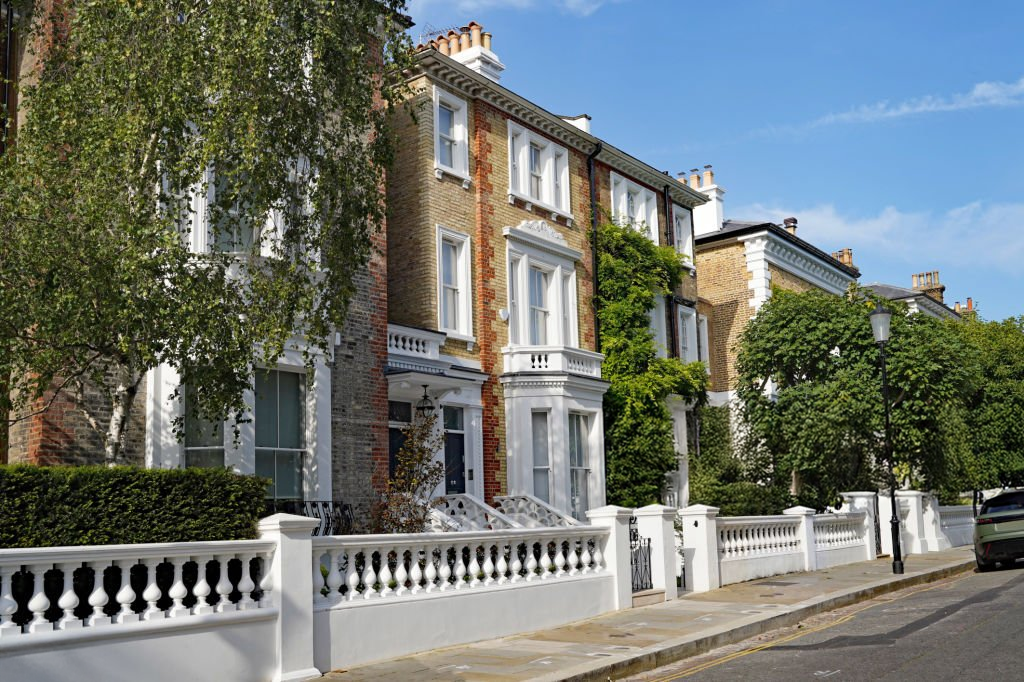
Buying your first home is exhilarating and terrifying in equal measure. You have saved for years, navigated the mortgage maze, and finally found a property you can afford in a location you want. The last thing you need is to discover after completion that your new home has serious damp problems that will cost thousands to fix.
Damp is one of the most common issues affecting UK housing, and first time buyers are particularly vulnerable to missing the warning signs. You may lack experience of what to look for. You may be viewing properties at a pace that prevents careful inspection. You may be so focused on getting onto the property ladder that you overlook problems that would give experienced buyers pause.
This guide helps you protect yourself. It explains what to look for during viewings, what surveys actually tell you about damp, what questions to ask, and what steps to take if concerns arise. The goal is not to make you paranoid about every property you see, but to ensure you enter one of the largest financial commitments of your life with your eyes open.
Table of Contents
- Why Damp Matters More Than You Think
- The Three Types of Damp You Need to Understand
- What to Look for During Viewings
- Seasonal Considerations: When You View Matters
- What Your Mortgage Valuation Will Not Tell You
- Homebuyer Surveys and Their Limitations
- When to Commission a Specialist Damp Survey
- Red Flags That Should Make You Think Twice
- Questions to Ask Estate Agents and Vendors
- Using Damp Findings in Price Negotiations
- What to Do If Problems Emerge After Exchange
- Protecting Yourself: A Pre Completion Checklist
- FAQs
- Conclusion
1. Why Damp Matters More Than You Think
Damp might seem like a minor inconvenience compared to the excitement of buying your first home. A bit of mould in the bathroom, some peeling paint in a corner: surely these are cosmetic issues easily fixed with a weekend's work? This underestimation is exactly what gets first time buyers into trouble.
The Financial Impact
Damp problems range from trivial to catastrophic in terms of cost. At the minor end, improving ventilation to address condensation might cost a few hundred pounds. At the serious end, addressing rising damp with replastering can cost £5,000 to £15,000. Basement waterproofing can exceed £30,000. Major structural repairs where damp has caused timber decay can cost tens of thousands more.
These costs come on top of your deposit, stamp duty, legal fees, moving costs, and all the other expenses of buying a home. First time buyers typically have limited reserves after completing a purchase. An unexpected £10,000 repair bill can be genuinely unaffordable.
Beyond direct repair costs, damp affects property values. A property with known damp problems is harder to sell and commands lower prices. You may find yourself unable to sell without first addressing problems, or accepting significant discounts from buyers who factor in remediation costs.
The Health Impact
Damp and mould are not just property problems. They are health hazards, particularly for children, elderly people, and those with respiratory conditions. The World Health Organization identifies indoor dampness and mould as significant risk factors for respiratory symptoms and asthma.
Living with significant damp and mould can cause persistent coughs, wheezing, eye and skin irritation, and worsening of existing respiratory conditions. For vulnerable people, the effects can be severe. The case of Awaab Ishak, a two year old who died in 2020 from respiratory disease caused by mould exposure in his home, demonstrates the serious end of these risks.
Starting your homeownership journey in a property with significant damp problems means living with these health risks while you save to address them, potentially for years.
The Stress Impact
Beyond money and health, damp problems cause stress. Discovering major issues after you have committed to a purchase, watching mould spread while you cannot afford to fix the cause, dealing with disputes about who is responsible: these experiences can overshadow what should be an exciting time.
First time buyers often describe discovering serious damp as the moment their dream home became a nightmare. The stress of ongoing problems, combined with feeling trapped in a property you cannot afford to fix or sell, takes a genuine toll on wellbeing.
Why First Time Buyers Are Vulnerable
Several factors make first time buyers particularly susceptible to purchasing properties with damp problems.
Lack of experience means you may not recognise warning signs that would be obvious to someone who has owned property before. You have not lived through a British winter in various properties, learning how buildings behave in wet weather.
Budget constraints often push first time buyers toward older properties in poorer condition. Victorian terraces, converted flats, and ex council properties are affordable entry points to the market but also have elevated damp risks.
Competitive markets pressure buyers to make quick decisions. In hot London markets, properties receive multiple offers within days. The careful inspection that might reveal problems feels like a luxury you cannot afford when others are ready to move faster.
Emotional investment clouds judgement. After months of searching and repeated disappointments, finding a property you can afford in an area you want creates powerful motivation to overlook concerns.
2. The Three Types of Damp You Need to Understand
Not all damp is the same. Understanding the three main types helps you recognise what you are looking at during viewings and understand what surveyors tell you.
Rising Damp
Rising damp occurs when groundwater moves upward through porous masonry by capillary action. It happens when there is no effective damp proof course (DPC) or when the existing DPC has failed or been bypassed.
Rising damp shows characteristic patterns: a horizontal tide mark typically below one metre from floor level, salt deposits appearing as white crystalline growth, and damage concentrated at the base of walls. It affects external walls in contact with ground and is typically consistent in height across affected areas.
True rising damp is less common than often diagnosed. The damp treatment industry has a history of over diagnosing rising damp because it leads to expensive chemical injection treatments. Many properties diagnosed with rising damp actually have condensation or other issues. Nevertheless, genuine rising damp does occur, particularly in older properties with failed or bridged DPCs.
Treatment for rising damp involves establishing or restoring an effective DPC, followed by replastering affected areas with appropriate materials. Costs typically range from £5,000 to £15,000 for a typical terraced house, potentially more for larger properties.
Penetrating Damp
Penetrating damp occurs when water enters through the external fabric of the building: through walls, roofs, windows, or other openings. Rain is the primary source, though leaking pipes and defective gutters can also cause penetrating damp.
Penetrating damp shows patterns related to water entry points. It can occur at any height (unlike rising damp which is confined to lower walls). It often shows tracking marks where water has moved through the building fabric. It typically worsens during or after rainfall.
Common causes include failed pointing, cracked render, roof defects, failed flashings, blocked gutters, and defective windows. The entry point may be distant from where damage appears internally, as water can travel through building fabric.
Treatment requires identifying and repairing the water entry point. Costs vary enormously depending on what has failed: repointing might cost hundreds while roof replacement costs tens of thousands. Until the entry point is fixed, internal damage will continue regardless of any internal treatment.
Condensation
Condensation occurs when moisture in the air deposits as liquid water on cold surfaces. It is the most common cause of damp problems in UK homes and is fundamentally different from rising and penetrating damp because the moisture originates inside the building rather than outside.
Condensation concentrates on the coldest surfaces: external walls (especially corners), around windows, behind furniture, and in poorly heated or ventilated rooms. It is typically worst in winter and often produces mould growth in characteristic locations.
Condensation results from the combination of moisture generation (from bathing, cooking, drying clothes, breathing) and inadequate ventilation or heating. It is particularly common in older properties that have been modernised in ways that reduce ventilation: blocked fireplaces, sealed replacement windows, and draught proofing.
Treatment involves improving ventilation (extract fans, trickle vents, opening windows), adequate heating, and reducing moisture generation. Building improvements like insulation can help by raising surface temperatures. Costs are typically lower than for rising or penetrating damp, often hundreds to low thousands rather than tens of thousands.
Why the Distinction Matters
These three damp types require completely different treatments. Chemical injection for rising damp does nothing for penetrating damp entering through a failed roof. Improved ventilation that resolves condensation will not stop water coming through cracked pointing.
Misdiagnosis leads to wasted money and ongoing problems. A property treated for rising damp when the actual problem is condensation will continue having problems after expensive unnecessary treatment. Understanding what type of damp a property has is essential for accurate cost estimation and effective remediation.
3. What to Look for During Viewings
Property viewings are your first opportunity to assess damp risk. Knowing what to look for helps you identify properties with potential problems and ask the right questions.
Before You Enter
Start your assessment outside. External condition provides clues about what you might find inside.
Look at the walls from a distance. Staining, algae growth (green or black discolouration), and variations in brick colour may indicate damp areas. Note which elevations show most weathering. South and west facing walls receive most rain in London.
Examine pointing where accessible. Mortar between bricks should be intact and sound. Gaps, crumbling mortar, or vegetation growing from joints indicates failure that may be allowing water penetration.
Check gutters and downpipes. Blocked gutters overflow onto walls below. Missing or damaged downpipes discharge water against the building. Staining below gutters suggests overflow problems.
Look at ground level. The damp proof course (usually visible as a line of different coloured mortar or a physical barrier) should be at least 150mm above external ground level. Soil, paving, or decking built up against walls above DPC level creates damp pathways.
Note any obvious roof issues visible from ground level: missing or slipped tiles, damaged flashings, vegetation growth indicating blocked gutters.
Inside: General Observations
As you enter, use your nose as well as your eyes. Musty or damp smells indicate moisture problems even when visual signs are hidden. A property that smells damp probably is damp.
Notice the general atmosphere. Does the property feel cold and clammy even with heating on? This can indicate elevated humidity from damp problems.
Look at how the property is presented. Fresh paint throughout might indicate normal pre sale decoration or might be covering problems. New carpet or flooring might be an upgrade or might be hiding damaged floors. Suspicious presentation is not proof of problems, but warrants closer inspection.
Room by Room Inspection
In each room, follow a systematic approach.
Check walls at low level first, particularly external walls. Look for tide marks, staining, salt deposits (white crystalline growth), peeling paint or wallpaper, and visible mould. Feel the wall surface if you can do so discreetly: damp walls feel cold and may feel soft or powdery.
Examine corners where external walls meet. These are prime condensation locations. Mould or staining in corners suggests condensation problems.
Look around windows. Check reveals (sides of the opening), sills, and walls below windows. Staining, mould, or deteriorated finishes here indicate either condensation or penetrating damp around the window.
Check behind doors and in any corners furniture might normally occupy. Vendors may have positioned furniture to hide damp patches or mould.
Look at ceilings, particularly directly below bathrooms or below flat roofs. Staining indicates water penetration from above.
Specific Areas of Concern
Bathrooms deserve particular attention. Some mould in bathrooms is common and not necessarily serious. But extensive mould, mould outside the immediate shower or bath area, and mould on ceilings suggests ventilation inadequacy that may affect the whole property.
Kitchens should have adequate extraction. Note whether there is an extractor fan or hood and whether it appears to vent outside or just recirculate.
Basements and cellars are inherently vulnerable to damp. Any basement should be examined carefully for signs of water ingress, regardless of how it has been finished or presented.
What Vendors May Not Show You
Be aware that vendors control what you see. Built in wardrobes may not be opened. Furniture will not be moved. Loft hatches may be declared inaccessible.
If something seems to be being hidden, note it for your surveyor. Ask directly if you can see inside that cupboard or check that corner. Reasonable vendors will accommodate reasonable requests. Resistance to inspection of specific areas is itself a warning sign.
4. Seasonal Considerations: When You View Matters
The time of year you view a property affects what damp evidence is visible. Understanding seasonal patterns helps you interpret what you see and what you might be missing.
Winter Viewings
Winter is when most damp problems are at their worst and most visible. Condensation is most active when heating battles cold external temperatures. Penetrating damp from winter rains is most likely to be actively occurring. Rising damp is typically worst when ground moisture levels are highest after autumn and winter rain.
Viewing in winter gives you the best chance of seeing damp problems in their active state. Mould that might be dormant in summer is actively growing. Condensation that clears in warmer months is visible on walls and windows. Staining from penetrating damp is at its most obvious.
The disadvantage of winter viewings is that minor condensation, which is extremely common and often manageable, may look more alarming than it really is. Some window condensation on a cold day is normal in many properties. The skill is distinguishing normal winter moisture from signs of serious problems.
Summer Viewings
Summer viewings show properties in their best light, which can be misleading for damp assessment. Condensation reduces or disappears as temperature differentials shrink. Walls dry out from winter moisture. Mould may become dormant and less visible.
A property that looks completely dry in summer may have serious condensation problems that only manifest in winter. You will not know until you have lived through your first winter, by which time you own the problem.
Summer viewings can still reveal penetrating damp if recent rain has occurred. They may show historic staining from past problems. And they can reveal structural issues like failed pointing that will cause problems when winter rains arrive.
Spring and Autumn Viewings
Spring offers a useful window. Winter moisture is still visible (staining, tide marks, mould growth from winter), but conditions are improving. You see the evidence of winter problems while the building begins to dry.
Autumn shows the building before winter stress arrives. Any existing problems from the previous winter may still be visible. But autumn viewings cannot reveal how the building will perform in the coming winter, and conditions may have improved since spring.
Asking About Seasonal Behaviour
Regardless of when you view, ask about seasonal patterns. Has the vendor noticed any damp or condensation during winter? Are there any areas that cause concern in wet weather? Does condensation form on windows?
Honest vendors will share their experience. Evasive answers or claims that a clearly older property has never had any moisture issues whatsoever should prompt scepticism.
5. What Your Mortgage Valuation Will Not Tell You
When you apply for a mortgage, the lender arranges a valuation of the property. Many first time buyers assume this valuation will identify any serious problems. It will not. Understanding what mortgage valuations actually do helps set appropriate expectations.
The Purpose of Mortgage Valuations
Mortgage valuations exist to protect the lender, not you. The lender wants to know whether the property is adequate security for the loan: if you default, can they sell it and recover their money?
The valuation confirms the property exists, roughly matches the description, and is worth approximately the purchase price. It identifies issues so serious they would make the property unmortgageable or worth significantly less than the purchase price.
The valuation is not designed to inform your purchase decision or identify all problems you should know about. It serves the lender's interests, and you may not even receive a copy (though many lenders now provide them).
What Valuers Check
Valuers typically spend 15 to 30 minutes at a property. They conduct a brief visual inspection, noting the general condition and any obvious serious defects. They compare the property to similar recent sales to establish value.
For damp, valuers note obvious visible evidence: extensive mould, clear damp staining, or structural damage from moisture. They may note if damp is suspected and recommend further investigation. But they are not conducting a damp survey and will not identify subtle signs or investigate causes.
A property can pass a mortgage valuation while having significant damp problems that are not obvious during a brief visual inspection. Problems behind furniture, under floor coverings, in roof spaces, or masked by recent decoration typically go undetected.
What Valuers Will Flag
Valuers will flag damp issues if they are severe enough to affect value or mortgageability. This includes extensive visible damp affecting significant areas, structural damage from moisture, evidence of serious ongoing water ingress, and similar major issues.
If the valuer flags damp concerns, the lender may require further investigation before proceeding. They may request a specialist damp report, retention of funds until work is completed, or they may decline to lend on the property.
What This Means for You
A clear mortgage valuation is not a clean bill of health. It means only that no issues were obvious enough to concern the lender during a brief inspection. Significant damp problems can exist in properties that pass mortgage valuations without comment.
Never rely on the mortgage valuation to protect you from buying a property with problems. You need your own survey to provide information for your benefit.
6. Homebuyer Surveys and Their Limitations
Most buyers commission a homebuyer survey (RICS Home Survey Level 2) or building survey (Level 3) to assess the property before purchase. These surveys provide valuable information but have important limitations regarding damp.
What Homebuyer Surveys Include
The RICS Home Survey Level 2 is a visual inspection of the property from ground level and accessible areas. The surveyor walks through the property, examining visible surfaces and noting defects. They assign condition ratings (1 to 3) to different elements.
For damp, surveyors typically use a handheld moisture meter to take readings at selected points on internal walls. They note any elevated readings and record visible signs of damp such as staining, mould, or deteriorated finishes. They comment on damp and moisture in a dedicated section of the report.
The Level 3 Building Survey provides more detailed inspection and commentary. It includes more extensive moisture readings and more thorough investigation of accessible areas. It is recommended for older properties and those in poor condition.
The Fundamental Limitations
Both survey levels are fundamentally visual inspections with significant access limitations.
Surveyors do not move furniture. If a wall is hidden behind a wardrobe, it is not inspected. If the worst damp is behind a bed, it may not be seen.
Surveyors do not lift floor coverings. Damp affecting floors or floor structure is not visible beneath carpet, laminate, or other finishes.
Surveyors do not conduct invasive investigation. They cannot open up walls, lift floorboards, or remove fittings to see what lies beneath.
Surveyors have limited equipment. Standard surveys involve visual inspection and basic moisture meters. Thermal imaging, deep wall probes, and other specialist equipment are not typically used.
Survey reports explicitly state these limitations. Disclaimers note that only visible and accessible areas were inspected. Surveyors are not negligent for missing problems they could not see or access.
What Surveys Typically Recommend
When surveyors identify damp concerns, they typically recommend "further investigation by a specialist" before proceeding with purchase. This recommendation appears frequently in survey reports and is often the most useful guidance the survey provides.
The recommendation acknowledges that the surveyor has identified a concern but cannot fully diagnose it within survey scope. It transfers responsibility to you to obtain specialist assessment. It should not be ignored.
The Problem with Moisture Meter Readings
Surveyors use electrical resistance moisture meters to take spot readings. These meters have significant limitations that reports may not explain.
They measure electrical resistance, not moisture directly. High readings can result from moisture, salts, metals, or other factors affecting conductivity. Salt contaminated walls from historic damp can give high readings even when currently dry.
They measure surface moisture only. Readings reflect moisture in the outer 10 to 30mm. Deeper moisture or moisture distribution through the wall is not assessed.
They cannot identify moisture source. A high reading indicates moisture presence but not whether it is rising damp, penetrating damp, or condensation.
Surveyors take readings at selected points, not comprehensively across all walls. Problems between measurement points may not be detected.
Interpreting Survey Comments
Survey reports use careful language about damp. Understanding common phrases helps you interpret what surveyors are actually telling you.
"Elevated moisture readings were noted at low level on external walls" indicates meter readings above normal. This could be rising damp, penetrating damp, condensation, or residual moisture from past problems. Further investigation is needed to determine the cause.
"Further investigation by a specialist is recommended before exchange of contracts" is the surveyor telling you they have concerns that need expert diagnosis. Do not ignore this recommendation.
"Some minor dampness is typical for properties of this age and type" suggests the surveyor considers findings to be within normal range. But what is normal for a Victorian terrace still involves more moisture than a modern property.
"The surveyor was unable to inspect areas behind furniture/under floor coverings" is the surveyor noting limitations. Problems may exist in areas they could not see.
7. When to Commission a Specialist Damp Survey
Specialist damp surveys provide detailed investigation beyond standard homebuyer survey scope. Knowing when to commission one helps you balance cost against risk.
When Your Survey Recommends It
If your homebuyer or building survey recommends specialist damp investigation, take this seriously. The surveyor has identified concerns they cannot fully assess. Ignoring the recommendation and proceeding to exchange is risky.
Surveyors recommend specialist investigation when they find elevated moisture readings they cannot explain, visible damp they cannot diagnose, conditions suggesting potential problems beyond what they can see, or buildings where damp risk is elevated.
When You Have Specific Concerns
Even without a survey recommendation, commission specialist investigation if you have concerns from your viewings or research.
Properties with visible mould beyond bathrooms warrant investigation. Mould indicates moisture, and understanding the source is important for estimating remediation costs.
Basements and cellars, whether original or converted, should be professionally assessed. Below ground spaces have inherent damp risks that standard surveys cannot adequately evaluate.
Properties with known history of damp or damp treatment deserve scrutiny. Previous treatment may have been successful, unsuccessful, or for problems that did not exist. Understanding current condition is important.
Properties showing signs of recent decoration that might conceal problems warrant investigation. Fresh paint in suspect locations, new flooring throughout, and similar presentations suggest possible concealment.
When Property Type Elevates Risk
Certain property types have elevated damp risk that may warrant specialist assessment regardless of survey findings.
Victorian and Edwardian solid wall properties have construction characteristics that make them vulnerable to both penetrating damp and condensation. Properties with cement pointing or render over originally lime built walls may have trapped moisture problems.
Converted flats, particularly basement conversions, have specific vulnerabilities related to the conversion process. Waterproofing systems fail. Ventilation provisions prove inadequate. Shared responsibility complicates maintenance.
Properties with flat roofs, including Victorian houses with bay window flat roofs, have components with limited lifespans and common failure modes that may not be visible from standard survey.
Ex local authority properties of certain construction types (some concrete systems, for example) have known issues with moisture and condensation that warrant specialist assessment.
What Specialist Surveys Provide
Specialist damp surveys focus specifically on moisture issues with appropriate equipment and expertise.
Surveyors conduct systematic moisture mapping rather than spot checks. They build a picture of moisture distribution throughout affected areas, providing diagnostic information about likely causes.
They may use thermal imaging to identify cold spots and trace moisture paths. Thermal cameras reveal temperature patterns invisible to the eye, showing where condensation will form and where water may be tracking through structure.
They have expertise to diagnose damp type accurately. Distinguishing rising damp from condensation, or penetrating damp from different sources, requires understanding of building construction and moisture behaviour that standard surveyors may lack.
They provide detailed recommendations based on accurate diagnosis. Rather than generic advice to "address damp," specialist reports specify what is needed and estimate costs.
The Cost Benefit Analysis
Specialist damp surveys typically cost £200 to £500 depending on property size and investigation scope. Against potential remediation costs of thousands or tens of thousands, this is modest insurance.
If the survey reveals no significant problems, you have peace of mind for a few hundred pounds. If it reveals problems, you have information enabling informed decisions about whether to proceed, at what price, and with what expectations about future costs.
The cost of not knowing, discovering major problems after completion when your options are limited, far exceeds the survey fee.
8. Red Flags That Should Make You Think Twice
Certain findings should give you serious pause. These red flags do not necessarily mean you should not buy, but they indicate elevated risk requiring careful consideration and professional assessment.
Extensive Visible Mould
Mould beyond typical bathroom locations, particularly mould on bedroom walls, living room corners, or throughout multiple rooms, indicates serious condensation problems or other moisture issues.
Mould extent correlates with remediation complexity. Scattered spots might be addressed with improved ventilation. Extensive coverage across multiple rooms suggests problems requiring significant intervention, possibly including building modifications.
Mould also raises health concerns. Living with extensive mould while saving to address it poses real health risks, particularly for any children or vulnerable adults in your household.
Recent Treatment with Unclear Results
Properties with recent damp treatment warrant scrutiny. Treatment may have been successful, may have failed, or may have addressed misdiagnosed problems.
Ask for documentation of any treatment: what was done, by whom, with what guarantees. A reputable treatment with transferable guarantee provides some protection. Treatment without documentation, or by companies you cannot trace, provides none.
Properties described as "damp treated" or "rising damp cured" should be verified by independent assessment. The claims may be accurate, or they may mask ongoing problems.
Basement or Below Ground Living Space
Any basement or lower ground floor accommodation should trigger careful assessment. These spaces are inherently vulnerable to damp regardless of how they have been finished or presented.
Questions to investigate include: what waterproofing system is present, how old is it, is there a pump and is it working, has there ever been water ingress, who is responsible for maintenance?
A dry looking basement on a dry day does not prove the space stays dry during heavy rain or high water table conditions. Previous flooding or water ingress may have occurred without any current evidence.
Evidence of Water Damage
Staining on ceilings indicates water penetration from above. In upper floors, this suggests roof problems. In mid floors, it may indicate plumbing leaks from bathrooms above.
Warped or swollen timber in windows, doors, or skirting boards indicates prolonged moisture exposure. The timber has absorbed water over extended periods.
Patches of recent decoration in locations that commonly suffer damp (below windows, at low level on external walls, in corners) suggest problems may have been cosmetically addressed rather than resolved.
Sellers Who Will Not Answer Questions
Legitimate sellers answer reasonable questions about property condition. Evasiveness about damp history, refusal to provide documentation of treatments, or discouragement from inspection of specific areas should raise concerns.
Sellers are legally required to respond honestly to enquiries. But some sellers will be economical with the truth, and discovering misrepresentation after completion is difficult and expensive to pursue.
Properties Priced Below Market
Properties priced significantly below comparable sales may be bargains or may be priced to reflect problems the seller knows about. A low price does not compensate for damp problems if you cannot afford to address them.
Investigate why a property is priced as it is. If the answer is not obvious (small garden, busy road, dated interior), consider what less visible factors might be involved.
9. Questions to Ask Estate Agents and Vendors
Direct questions can reveal information about damp history and condition. The answers, and how they are given, provide useful intelligence.
Questions About History
Has the property ever had any damp problems? A simple direct question that honest vendors will answer honestly. Note whether the response is specific or vague, confident or evasive.
Has any damp treatment been carried out? If yes, what was done, when, and by whom? Is there documentation? Is there a guarantee, and is it transferable?
Have there been any leaks or water damage? Roof leaks, plumbing leaks, and flooding all leave effects even after immediate damage is addressed. Knowing the history helps you assess current condition.
Has any pointing, rendering, or external repair work been done? External works may have addressed defects that were causing damp. Or inappropriate repairs (cement pointing on lime built walls, for example) may be causing new problems.
Questions About Current Condition
Does condensation form on windows during winter? Some window condensation is common, but the answer indicates whether the property has condensation issues and whether the vendor acknowledges them.
Are any rooms particularly cold or hard to heat? Cold rooms with damp issues may indicate underlying problems with insulation or construction.
Are there any areas that need redecorating more frequently than others? Areas requiring frequent redecoration may be suffering from moisture damage that keeps recurring.
Does the property have any unusual smells when closed up for a while? Musty smells indicate moisture problems even when not visible.
Questions About the Building
When were the windows replaced? Old single glazed windows and very recently replaced windows (that might have been changed to hide problems) are both worth noting.
Are the fireplaces original and open, or have they been blocked? Blocked fireplaces reduce ventilation and can cause condensation problems.
Is there a damp proof course, and do you know its condition? Older properties may have failed DPCs or may have DPCs that have been bridged by ground level changes.
Has the property been replastered, and if so, when and why? Replastering following damp treatment is normal, but replastering to hide problems occurs too.
Interpreting Answers
Listen to what is said and how it is said. Confident specific answers suggest honest engagement. Vague responses, changes of subject, or responses that do not quite answer what was asked may indicate discomfort with the topic.
Answers claiming the property has never had any moisture issues whatsoever should be treated with appropriate scepticism, particularly for older properties in the UK climate.
Follow up on answers that reveal history. If damp treatment occurred, get details. If there was a leak, find out what damage occurred and what was done.
10. Using Damp Findings in Price Negotiations
If investigations reveal damp problems, you have several options: withdraw from the purchase, negotiate on price, or proceed accepting the costs. Price negotiation is often the most practical path, but requires realistic assessment of costs and strategic approach.
Establishing Remediation Costs
Effective negotiation requires understanding what remediation will actually cost. Vague concerns about damp provide weak negotiating positions. Specific cost estimates for identified problems are much stronger.
Specialist survey reports often include cost estimates or ranges for recommended work. These provide a starting point but may need supplementing with contractor quotes.
For significant problems, obtain quotes from reputable contractors before negotiating. A quote of £8,000 for rising damp treatment from a credible company is more persuasive than an estimate of "probably several thousand."
Remember to include all associated costs: redecoration after damp treatment, replacing damaged items (carpet, furniture), any time out of the property during works, and a contingency for the unexpected.
Negotiation Approaches
The most straightforward approach is requesting a price reduction equal to estimated remediation costs. If treatment will cost £10,000, ask for £10,000 off the price. This allows you to proceed with the purchase while having funds to address the problem.
An alternative is requesting the vendor undertake works before completion. This puts the burden of arranging and paying for work on the seller. However, you have limited control over quality, and problems with the work become your problem after completion.
For significant problems, you might negotiate a retention: a portion of the price held by solicitors after completion and released only when work is satisfactorily completed. This protects you if work is required before you can occupy or if the vendor agrees to arrange work.
What Leverage You Have
Your negotiating leverage depends on several factors.
Market conditions matter. In a buyer's market with limited demand, sellers are more likely to negotiate. In a hot market with multiple offers, sellers may simply accept another buyer rather than negotiate.
How far the transaction has progressed affects both parties' willingness to walk away. Early in the process, sellers may reject requests knowing other buyers exist. Near exchange, both parties have invested significantly and may be more flexible.
The severity of findings affects what is reasonable to request. Asking for £2,000 off for minor condensation that needs ventilation improvement is reasonable. Asking for £30,000 off for the same issue would be rejected.
When to Walk Away
Sometimes negotiation is not the right response. Consider walking away if:
The problems are so severe that remediation costs are uncertain or potentially very large. Uncertain costs make pricing negotiation impossible and leave you taking on undefined risk.
The vendor refuses to negotiate at all despite clear documented problems. Proceeding at full price while knowing you face significant costs is generally unwise.
The problems are not just financial but affect liveability. Severe mould affecting bedrooms may mean you cannot live in the property until addressed. If you cannot afford immediate remediation and cannot occupy the property meanwhile, proceeding makes little sense.
Your financial position is too tight to absorb any unexpected costs. If remediation going over budget would cause serious financial difficulty, the risk may be too high regardless of the price negotiated.
11. What to Do If Problems Emerge After Exchange
Once you have exchanged contracts, you are legally committed to the purchase. Discovering damp problems after exchange but before completion, or after completion, presents difficult situations with limited options.
Problems Discovered Between Exchange and Completion
The period between exchange and completion is typically two to four weeks. You have committed to buy but do not yet own the property. If serious problems come to light during this period, options are limited.
You cannot simply withdraw without consequences. Walking away after exchange means losing your deposit (typically 10% of the purchase price) and potentially facing a claim for the seller's losses.
Negotiation is still possible but from a weak position. The seller knows you have strong incentive to complete. They may agree to adjustments, but have no obligation to do so.
In extreme cases where the property is substantially different from what you agreed to buy (for example, if serious concealed defects were deliberately hidden), there may be grounds for treating the contract as voidable. This requires legal advice and is not straightforward.
The practical reality is that problems discovered after exchange usually become your problems to address after completion. This is why thorough investigation before exchange is so important.
Problems Discovered After Completion
After completion, you own the property and the problems it contains. Your main options are addressing the problems yourself or pursuing the seller for misrepresentation.
Addressing problems yourself is usually the practical path. Allocate funds for remediation. Commission proper investigation if not already done. Arrange for necessary work.
Pursuing the seller is possible if they made false statements about the property's condition. If they answered enquiries claiming no damp problems when they knew problems existed, or if they actively concealed defects, you may have a claim for misrepresentation.
However, pursuing such claims is expensive, stressful, and uncertain. You need evidence of what the seller knew and what they said. You need to prove the concealment or false statement. Legal costs may approach or exceed what you might recover. Even if you win, collecting from the seller may be difficult.
In practice, most buyers who discover problems after completion address them at their own expense. The prospect of legal action may feel satisfying but rarely provides practical remedy.
Avoiding This Situation
The time to protect yourself is before exchange, not after. Thorough investigation, appropriate surveys, and proper enquiries before committing are your protection. Once you have exchanged, your options shrink dramatically.
12. Protecting Yourself: A Pre Completion Checklist
This checklist summarises the steps to protect yourself from purchasing a property with significant damp problems.
During Property Search
Educate yourself about damp types and warning signs before viewing properties. Knowing what to look for makes viewings more productive.
View properties critically, not just emotionally. Note potential warning signs even in properties you like. Check external condition before entering. Use your nose as well as your eyes inside.
View at different times if possible. A second viewing at a different time of day or in different weather may reveal things the first viewing missed.
After Offer Accepted
Commission an appropriate survey. Level 2 minimum, Level 3 for older or more complex properties. Do not rely on the mortgage valuation.
Read your survey report carefully, particularly sections on damp and moisture. Understand what was found, what could not be assessed, and what is recommended.
Commission specialist damp investigation if your survey recommends it or if you have specific concerns. This is not optional if the survey raises damp concerns.
Ask vendors direct questions about damp history, treatments, and current condition through your solicitor. Ensure answers are in writing.
Before Exchange
Ensure all surveys and investigations are complete and you understand the findings.
Obtain remediation cost estimates for any identified problems. Use these for negotiation.
Negotiate on price if problems are identified. Ensure any agreed works or retentions are documented properly.
Make a final decision with full information. Exchange only when you understand what you are buying and accept any identified issues.
Final Viewing
Conduct a final viewing just before completion. Check that the property is in the expected condition. Ensure any agreed works have been completed. Note any changes since your previous viewing.
Report any concerns to your solicitor immediately. Completion can be delayed if serious issues emerge.
13. FAQs
Should I pull out of a purchase if the survey finds damp?
Not necessarily. Damp findings range from trivial to serious. Minor condensation requiring improved ventilation is common and manageable. Extensive rising damp requiring major remediation is different. Get specialist assessment to understand the severity and costs. Then make an informed decision based on whether you can afford remediation, whether price negotiation adequately reflects costs, and whether you are comfortable with the risk.
The seller says damp treatment was done. How do I verify it worked?
Request documentation of the treatment: what was done, by whom, when, and any guarantee. Commission your own specialist survey to assess current condition. The specialist can identify whether the reported treatment was appropriate for the actual problem and whether it appears to have been effective. Do not rely on vendor assurances alone.
My survey says elevated moisture readings but no damp treatment needed. What does this mean?
Surveyors sometimes find readings above normal that do not clearly indicate serious problems. This may mean minor moisture that is not actively causing damage, residual moisture from past problems now resolved, or conditions that could develop into problems in future. Consider specialist assessment if you want certainty. Or proceed but monitor the areas noted and address any deterioration promptly.
Should I buy a property with a basement conversion?
Basement conversions can be excellent or problematic. Success depends on waterproofing quality, ventilation provision, and ongoing maintenance. Obtain specialist assessment of any basement. Understand what waterproofing system is present and its condition. Ask about any history of water ingress. Be cautious about recent conversions without professional waterproofing documentation and about older conversions where systems may be failing.
How do I know if damp treatment guarantees are transferable?
Ask for the guarantee documentation. Contact the company that provided the guarantee to confirm it transfers to new owners and remains valid. Note guarantee terms: what is covered, for how long, and under what conditions. Be aware that some companies providing guarantees decades ago no longer exist. A guarantee is only valuable if the company stands behind it.
Can I trust damp reports commissioned by sellers?
Approach seller commissioned reports with appropriate scepticism. Consider who commissioned the report and whether they had interest in a particular finding. Check whether the surveyor was independent or employed by a treatment company. Verify the surveyor's qualifications. When in doubt, commission your own assessment.
How much should I budget for possible damp remediation when buying?
This depends on property type and identified risks. As a general contingency, first time buyers should maintain reserves of several thousand pounds for unexpected repairs of all types. If specific damp concerns are identified, budget the estimated remediation cost plus a 20 to 30 percent contingency for the unexpected. Do not commit your entire savings to the purchase with nothing left for problems that may emerge.
14. Conclusion
Buying your first home is exciting, but excitement should not override caution. Damp problems are common in UK housing and can cost thousands or tens of thousands to address. First time buyers, with limited experience and often stretched finances, are particularly vulnerable to purchasing properties with issues they did not anticipate.
The key to protection is investigation before commitment. Understand the different types of damp and what to look for during viewings. Commission appropriate surveys and take their recommendations seriously. Ask direct questions about property history and condition. Investigate any concerns with specialist assessment before exchanging contracts.
This investigation costs money: surveys, specialist assessments, and time. But this investment is modest compared to the costs of purchasing a property with serious problems. A few hundred pounds spent on investigation can prevent tens of thousands in unexpected remediation costs.
When problems are identified, make informed decisions. Negotiate on price where problems are quantifiable. Walk away where risks are too high or too uncertain. Proceed only when you understand what you are buying and accept any identified issues.
After exchange, your options shrink dramatically. The time to protect yourself is before you commit, not after. Thorough preparation, appropriate professional advice, and clear eyed assessment of risk are your tools for avoiding the nightmare scenario of discovering serious damp problems in a property you have just bought.
Henderson Wood provides specialist damp surveys for property purchases across London. Our independent assessments help buyers understand what they are purchasing before they commit. We identify damp problems accurately, explain their implications clearly, and provide cost estimates for necessary remediation. Whether your homebuyer survey has raised concerns or you simply want additional assurance before the largest purchase of your life, specialist damp survey provides the information you need.
Your first home should be the start of an exciting chapter, not the beginning of a costly battle with moisture. Invest in knowing what you are buying.