
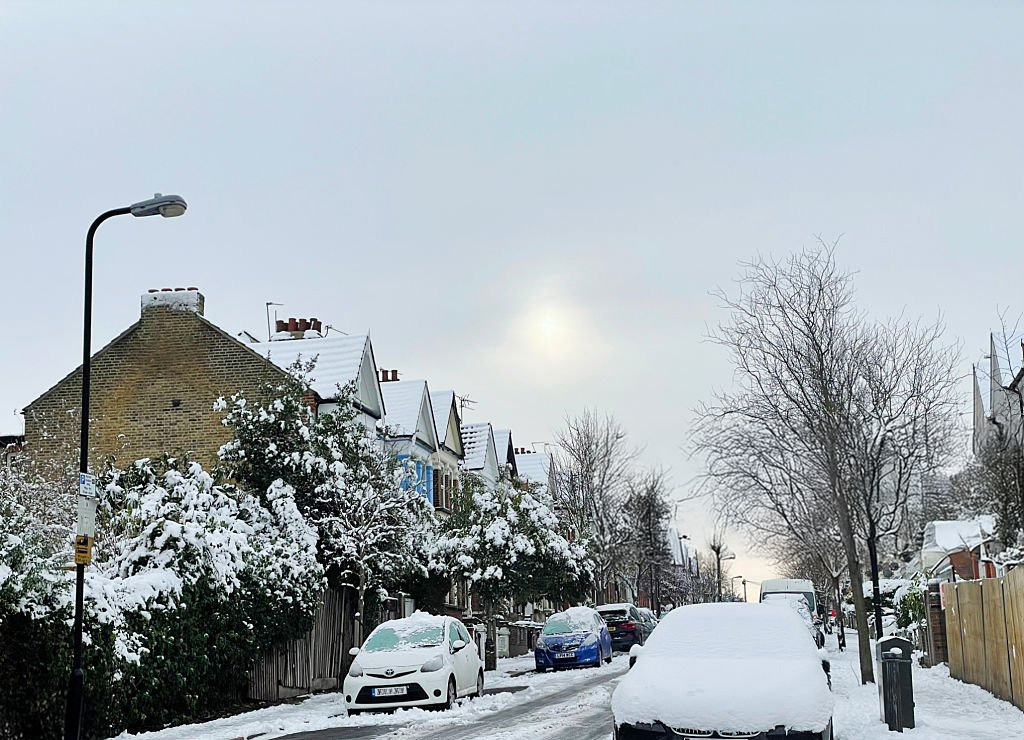
Why Winter Is Peak Season for Damp Complaints
If you're a landlord in London, January and February are the months when your phone is most likely to ring with tenant complaints about damp and mould.
This isn't a coincidence. Winter creates the perfect conditions for moisture problems to appear and for existing issues to get dramatically worse. Cold external walls, reduced ventilation, increased indoor moisture from heating and drying clothes, and tenants spending more time indoors all contribute to a seasonal surge in damp-related complaints.
For landlords, how you respond to these complaints matters more than ever. With Awaab's Law now in force for social housing and set to extend to private landlords from 2026, the legal and financial consequences of ignoring damp issues have never been higher.
The Numbers Behind the Winter Surge
The Housing Ombudsman has seen damp and mould complaints rise sharply year on year. In 2024-25, over 40% of all compensation ordered by the Ombudsman related to failures in handling leaks, damp, and mould. The largest single compensation order was nearly £32,000.
Citizens Advice reports that almost half of private renters in England, around 2.7 million households, are currently experiencing damp, mould, or excessive cold. Among these, 1.6 million children are living in affected properties.
These aren't just statistics. They represent real tenants, real health impacts, and real legal risk for landlords who fail to act.
Why Damp Problems Worsen in Winter
Several factors combine to make winter the worst time for damp and mould in London properties:
Cold Surfaces Create Condensation
When warm, moisture-laden air meets cold walls, windows, and ceilings, condensation forms. In poorly insulated properties, particularly Victorian and Edwardian homes across London, this happens constantly during winter months. The moisture sits on surfaces, creating ideal conditions for black mould to grow.
Reduced Ventilation
Tenants understandably keep windows closed during cold weather. But without adequate airflow, moisture from cooking, bathing, and even breathing has nowhere to go. It accumulates inside the property, settling on the coldest surfaces.
Increased Indoor Moisture
Winter living generates more moisture indoors. Tenants dry clothes on radiators, take hot showers, cook more meals at home, and use gas heating, all of which add water vapour to the air. Without proper extraction and ventilation, this moisture becomes a problem.
Heating Patterns
Many tenants, especially those struggling with energy costs, heat their homes intermittently rather than maintaining a constant low temperature. This creates cycles of warm and cold that make condensation worse. Rooms that aren't heated at all become cold spots where mould thrives.
Existing Problems Become Visible
Issues that were dormant or barely noticeable in summer, such as a failed DPC, poor pointing, or inadequate loft insulation, suddenly become obvious when temperatures drop. Rising damp is present year-round but becomes more noticeable in winter. Penetrating damp worsens with increased rainfall.
The Cost of Living Factor
The current cost of living crisis has made winter damp problems significantly worse. Tenants are choosing between heating and eating. Properties that might have stayed warm enough to prevent condensation are now being kept colder because tenants can't afford the energy bills.
Citizens Advice found that tenants in properties with EPC ratings of D-G are 73% more likely to experience damp and 89% more likely to experience excessive cold than those in A-C rated properties. For London landlords with older, less efficient housing stock, this is a particular concern.
What London Landlords Should Do Right Now
The post-Christmas period is critical. Tenants who have been away visiting family return to cold, unventilated properties. Mould that started forming in December has had weeks to spread. This is when complaints peak and when proactive landlords can get ahead of problems before they escalate.
Respond to Every Complaint Within 48 Hours
When a tenant reports damp or mould, acknowledge it immediately. Even if you can't inspect the property that day, a prompt response demonstrates you're taking the issue seriously. Under Awaab's Law (which will apply to private landlords from 2026), you'll have just 14 days to investigate, so building good habits now makes sense.
Don't Dismiss Complaints as "Lifestyle" Issues
The Housing Ombudsman has been clear: blaming tenants' lifestyle for damp and mould is no longer acceptable. While tenant behaviour can contribute to condensation, landlords are responsible for ensuring properties can cope with normal levels of moisture from everyday living. If your property can't handle a tenant drying clothes indoors or taking a daily shower without developing mould, the problem is with the property, not the tenant.
Arrange a Professional Damp Survey
A professional damp survey is the fastest way to identify what's actually causing the problem. Is it condensation due to poor ventilation? Penetrating damp from failed pointing? Rising damp from a compromised DPC? Each requires a different solution, and guessing wrong wastes time and money.
Our RICS-compliant surveys provide:
Accurate diagnosis of the damp type
Moisture readings and thermal imaging
Identification of root causes
Clear remediation recommendations
A written report for your records
This documentation is essential if the complaint escalates to the local council or a legal dispute.
Check Your Most Vulnerable Properties
Don't wait for complaints. Proactively inspect properties that are most at risk:
Victorian and Edwardian terraces with solid walls
Basement and lower ground floor flats
Properties with single glazing or poor insulation
Converted flats with shared walls and limited ventilation
Any property where you've had damp complaints before
A quick inspection now could prevent a major problem, and a major expense, later.
Review Ventilation and Heating Systems
Many damp problems stem from inadequate ventilation. Check that:
Extractor fans in kitchens and bathrooms are working
Trickle vents on windows are open and functional
Air bricks aren't blocked
The heating system is working properly and the tenant can afford to use it
If ventilation is poor, consider installing mechanical ventilation systems or upgrading to more efficient extraction. These relatively low-cost improvements can prevent recurring mould problems.
Communicate Clearly With Tenants
Good communication prevents complaints from escalating. Keep tenants informed about:
When you'll inspect the property
What you find during the inspection
What repairs you're arranging
How long the work will take
What they can do to help in the meantime
Document all communications in writing. If a dispute arises later, this evidence could be crucial.
The Legal Landscape Is Changing
Private landlords in London need to understand that the regulatory environment is shifting rapidly against them when it comes to damp and mould.
Awaab's Law Extension
Awaab's Law came into force for social landlords in October 2025. It requires them to investigate damp and mould within 14 days, provide written findings within 3 working days, and begin repairs within 7 working days for significant hazards. Emergency hazards must be addressed within 24 hours.
The government has confirmed this will extend to private landlords through the Renters' Rights Bill, expected to take effect from 2026. The exact timeframes may differ, but the direction is clear: strict, enforceable deadlines are coming.
Existing Obligations Still Apply
Even before Awaab's Law extends to the private sector, landlords already have significant legal duties:
The Homes (Fitness for Human Habitation) Act 2018 requires properties to be safe, healthy, and free from serious hazards including damp
The Landlord and Tenant Act 1985 requires landlords to maintain the structure and exterior of the property
The Housing Health and Safety Rating System (HHSRS) allows councils to take enforcement action for damp and mould hazards
The Environmental Protection Act 1990 allows councils to act if damp and mould constitute a statutory nuisance
Tenants can take legal action, claim compensation, and apply for rent repayment orders if landlords fail to address damp issues. Local councils can issue improvement notices, impose fines, and even prosecute.
Tenant Awareness Is Growing
Media coverage of Awaab's Law and high-profile damp cases has raised tenant awareness significantly. Tenants know their rights. They're more likely to complain, more likely to contact the council, and more likely to seek legal advice.
Citizens Advice found that 37% of renters who experienced damp, mould, or cold had never complained to their landlord, but 51% of those cited fear of retaliation as the reason. Once Section 21 "no-fault" evictions are abolished (scheduled for May 2026), that fear will diminish. Expect complaints to increase further.
What Happens If You Ignore Winter Damp Complaints
The consequences of failing to address damp complaints have never been more severe:
Council Enforcement
If a tenant contacts their local council, environmental health officers can inspect the property. If they find category 1 hazards under the HHSRS, they must take enforcement action. This can include improvement notices with fixed deadlines, prohibition orders, and prosecution.
Rent Repayment Orders
Tenants can apply for rent repayment orders of up to 12 months' rent if the property was unfit for habitation. In London, where rents are high, this represents a significant financial exposure.
Compensation Claims
Tenants can claim compensation for health impacts, damaged belongings, and loss of use of their home. The Housing Ombudsman has ordered compensation payments exceeding £30,000 in severe cases.
Legal Costs
Court proceedings, solicitor fees, and the time involved in defending claims add up quickly, often exceeding the cost of simply fixing the problem in the first place.
Reputational Damage
In the age of online reviews and social media, a landlord's reputation matters. Negative reviews from tenants who experienced unresolved damp problems can affect your ability to let properties in the future.
A Proactive Approach Saves Money
The irony is that addressing damp complaints quickly and professionally is almost always cheaper than ignoring them.
A professional damp survey costs a fraction of what you might pay in compensation, legal fees, or council fines. Repairs carried out early, before mould spreads, plaster fails, and timber rots, are simpler and less expensive than emergency remediation.
More importantly, proactive landlords build better relationships with their tenants. Tenants who feel heard and respected are less likely to escalate complaints, less likely to contact the council, and more likely to report small issues before they become big problems.
How Henderson Wood Can Help
We provide expert damp surveys across all London boroughs, helping landlords identify and resolve damp issues before they escalate.
Our surveys include:
Detailed diagnosis of damp type (rising, penetrating, or condensation)
Professional moisture readings and thermal imaging
Identification of root causes
Clear, actionable remediation recommendations
Written reports suitable for legal, council, or insurance purposes
Whether you're responding to a tenant complaint, preparing for Awaab's Law, or proactively checking your portfolio, we deliver fast, thorough assessments that protect your investment and keep your tenants safe.
FAQs: Winter Damp Complaints for London Landlords
Why do I get more damp complaints in winter?
Cold weather creates ideal conditions for condensation, the most common cause of mould in rental properties. Cold external walls, reduced ventilation, and increased indoor moisture from heating and drying clothes all contribute. Existing issues like rising damp and penetrating damp also become more noticeable when temperatures drop.
Can I tell tenants the mould is their fault?
Not without evidence. The Housing Ombudsman has made clear that blaming "lifestyle" for damp and mould is not acceptable. While tenant behaviour can contribute to condensation, landlords are responsible for providing properties that can cope with normal moisture levels from everyday living. A professional damp survey can identify the actual cause.
How quickly should I respond to a damp complaint?
Acknowledge the complaint within 48 hours and arrange an inspection within 7 to 14 days. Under Awaab's Law (which will extend to private landlords from 2026), you'll have strict legal timeframes to investigate and remediate, so building good response habits now is essential.
What if I can't afford the repairs?
Ignoring the problem will cost more in the long run. Compensation claims, rent repayment orders, legal fees, and council fines can easily exceed the cost of repairs. If cash flow is tight, prioritise the most serious hazards and document your plan to address remaining issues.
Should I get a damp survey even if I think it's just condensation?
Yes. Condensation is often a symptom of underlying problems such as poor ventilation, inadequate insulation, or thermal bridging. A professional survey identifies the root cause and recommends effective solutions, preventing recurring problems and protecting you legally.
Take Action This Winter
January is the time to get ahead of damp problems, not wait for them to escalate. A proactive approach protects your tenants, your property, and your legal position.
Henderson Wood offers fast, professional damp surveys across all London boroughs. Our RICS-compliant reports give you the evidence and recommendations you need to resolve issues quickly and demonstrate responsible management.
Don't wait for a complaint to become a legal dispute. Book your damp survey today.