
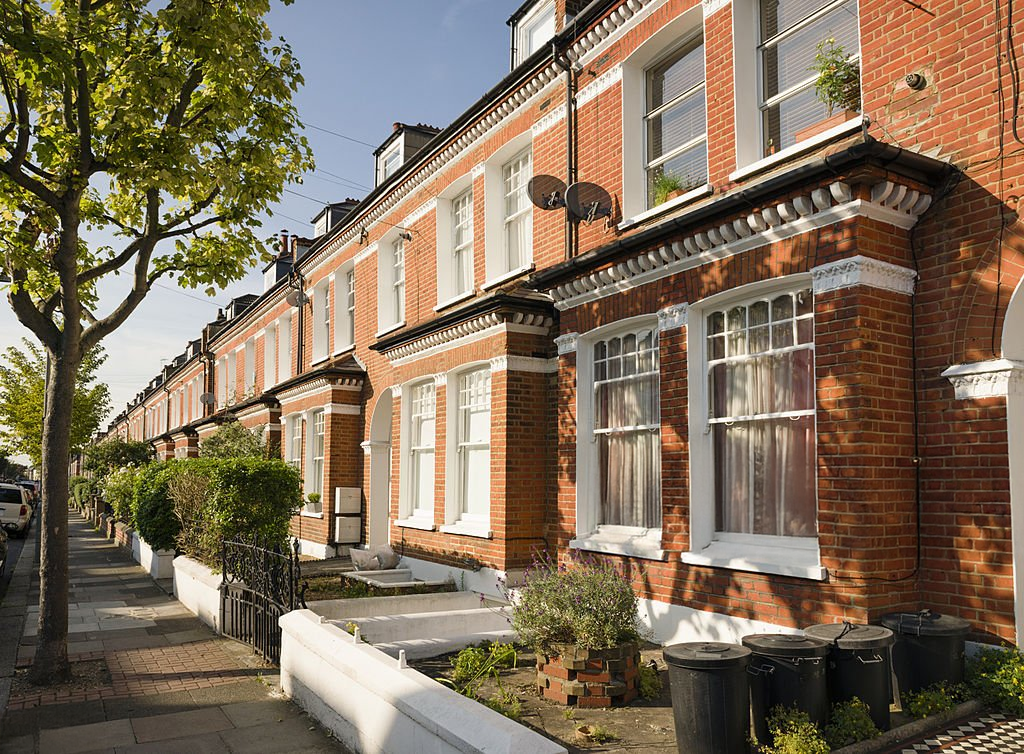
Victorian properties represent some of the most desirable housing in London. The high ceilings, original features, and solid construction attract buyers willing to pay premium prices for a piece of architectural heritage. But these buildings, constructed between 1837 and 1901, were designed for a different era with different materials, different heating, and different expectations. Many buyers discover too late that the standard surveys they relied upon failed to identify serious damp problems that were hiding in plain sight.
This is not a failure of individual surveyors. It reflects fundamental limitations in what standard surveys are designed to detect, combined with the particular challenges that Victorian construction presents. Understanding these limitations before you buy helps you make informed decisions about what additional investigation your prospective purchase requires.
This guide examines why Victorian properties are particularly prone to damp, what standard surveys actually assess, where the gaps in coverage lie, and how specialist damp survey fills those gaps. Whether you are actively searching for a Victorian home in London or already have an offer accepted, this information helps you avoid becoming another buyer who wished they had known sooner.
Table of Contents
- Why Victorian Properties Attract Damp Problems
- How Victorian Buildings Were Designed to Manage Moisture
- The Modern Modifications That Cause Problems
- What Your Homebuyer Survey Actually Covers
- The Limitations Surveyors Do Not Always Explain
- Hidden Damp Locations in Victorian Properties
- Bay Windows: A Case Study in Hidden Problems
- Chimneys and Fireplaces: Disused but Not Dormant
- Basements and Cellars: The Conversion Question
- Signs That Should Trigger Further Investigation
- What Specialist Damp Survey Reveals
- The True Cost of Missing Damp Problems
- FAQs
- Conclusion
1. Why Victorian Properties Attract Damp Problems
Victorian houses were built in vast numbers across London during one of the most intensive periods of urban expansion in history. The railways enabled commuters to live further from the city centre, and speculative builders constructed entire neighbourhoods to house the growing population. These properties, now between 125 and 190 years old, have outlasted their builders' expectations but carry the accumulated effects of more than a century of weather, modification, and changing use.
Age and Accumulated Wear
Every building component has a lifespan. Roofing materials, pointing, render, timber, and waterproofing all degrade over time. Victorian properties have had longer for this degradation to occur than any other substantial portion of London's housing stock. Components that were new when Queen Victoria reigned have now experienced over a century of freeze and thaw cycles, driving rain, chemical attack from pollution, and physical wear.
Some Victorian properties have been meticulously maintained throughout their existence, with components replaced as they wore out. Many have not. Deferred maintenance accumulates, and problems that should have been addressed decades ago may still be present, causing ongoing damage that new owners inherit.
The building fabric itself shows its age. Bricks soften as they weather. Mortar erodes. Timber dries, cracks, and becomes vulnerable to moisture. Even well maintained properties show the effects of age in ways that affect their resistance to damp.
Construction Methods and Materials
Victorian builders used techniques and materials that differ fundamentally from modern construction. Understanding these differences is essential for anyone considering purchasing a Victorian property.
Walls were built as solid masonry, typically two bricks thick (225mm) or sometimes thicker for larger properties. There is no cavity, no membrane, and no insulation within the wall construction. The wall relies on mass and the properties of its materials to manage moisture.
Mortar was lime based, softer and more porous than the cement mortars used in modern construction. Lime mortar allows moisture to move through it, evaporating from the surface rather than being trapped. It also accommodates slight movement without cracking.
Internal finishes were lime plaster applied directly to masonry, often with a lime wash or distemper finish. These breathable finishes allowed moisture that penetrated the wall to evaporate from internal surfaces without causing damage.
External finishes, where present, were typically lime render or lime wash, both of which allow moisture to escape. Unpainted brick was designed to absorb rain and release it through evaporation when weather improved.
This construction system worked well when all components remained in their original breathable state. Problems arise when modern impermeable materials replace the originals.
London's Specific Challenges
London's climate and geology create particular challenges for Victorian properties. Rainfall is moderate but frequent, with winter months bringing sustained periods of wet weather rather than occasional heavy storms. This pattern keeps walls damp for extended periods.
London sits on clay soil across much of its area. Clay retains water and releases it slowly. Ground moisture levels remain high for extended periods after rain. Properties built on clay face elevated risk of rising damp, particularly where original damp proof courses have failed or been bridged.
Air pollution, though much improved from Victorian times, has affected building materials over decades. Sulphur compounds in historic pollution attacked lime mortar and limestone. Brick surfaces have absorbed pollutants that affect their porosity and appearance.
The sheer density of Victorian development means that many properties have limited exposure to sun and wind. Terraced houses with only front and rear elevations exposed dry more slowly than detached properties. Basement areas, lightwells, and rear extensions create sheltered spaces where moisture persists.
2. How Victorian Buildings Were Designed to Manage Moisture
Victorian builders understood that water would penetrate their buildings. Rather than trying to create an impermeable barrier, they designed buildings to manage moisture through absorption, distribution, and evaporation. This approach, sometimes called "breathable construction," works effectively when the building system remains intact.
The Breathable Wall System
A Victorian solid wall acts as a moisture buffer. Rain striking the external face is absorbed into the brick and mortar rather than running down the surface. The wall holds this moisture temporarily, then releases it through evaporation when conditions allow. The wall's thermal mass means it warms slowly, and evaporation occurs gradually over extended periods.
This system has significant capacity. A typical Victorian wall can absorb substantial rainfall before moisture penetrates to the internal face. As long as dry periods between rain events allow the wall to release accumulated moisture, equilibrium is maintained and the internal environment remains dry.
Lime mortar plays a crucial role. Softer and more porous than cement, lime mortar absorbs and releases moisture readily. It also has slight flexibility, accommodating the thermal movement and settlement that occur in masonry walls without cracking. Cracks in pointing are the primary route for accelerated water penetration, so mortar that resists cracking helps maintain the wall's integrity.
Lime plaster on internal surfaces continues the breathable system inside. Moisture that does reach the internal face of the wall can evaporate through the plaster and into the room, where ventilation carries it away. The lime plaster does not trap moisture against the masonry or create conditions for concealed decay.
The Role of Ventilation
Victorian houses were designed with substantial natural ventilation. Rooms had high ceilings, creating volume for air circulation. Windows were large and typically sash design, allowing controlled ventilation through the gap between upper and lower sashes. Open fireplaces in most rooms created constant air movement as combustion drew air through the building.
This ventilation served multiple purposes. It removed moisture generated by occupants and activities. It carried away moisture evaporating from walls after rain. It prevented condensation by maintaining air movement across surfaces. It also, incidentally, made buildings cold and draughty by modern standards.
Suspended timber ground floors incorporated ventilation beneath. Air bricks in external walls allowed air to circulate under the floor, carrying away moisture from the ground and keeping floor timbers dry. This underfloor ventilation was essential for preventing timber decay.
Roof spaces were similarly ventilated, with gaps at eaves allowing air to enter and exits at ridges or through vents allowing it to escape. This ventilation kept roof timbers dry and prevented condensation in the roof space.
Damp Proof Courses
Victorian properties incorporated damp proof courses (DPCs) to prevent rising damp. These were typically two courses of dense engineering brick, slate, or sometimes bituminous felt, positioned just above external ground level. The DPC created a barrier that groundwater could not cross by capillary action.
Original Victorian DPCs were often effective when installed but have limited lifespans. Slate can crack. Bituminous materials degrade. Engineering brick courses depend on mortar quality in surrounding courses. After 125 to 190 years, many original DPCs have failed or become compromised.
Even intact DPCs can be bypassed. If external ground level rises above the DPC, moisture can enter the wall above the barrier. Internal floor levels raised above external DPC height have the same effect. Rendering or plastering that bridges the DPC allows moisture to travel around the barrier.
3. The Modern Modifications That Cause Problems
Victorian properties have been continuously modified throughout their existence. Each generation of owners has made changes reflecting contemporary preferences, building regulations, and available materials. Many of these modifications, undertaken with good intentions, have compromised the original moisture management systems.
Cement Pointing and Rendering
The most common and damaging modification is the replacement of lime mortar pointing with cement mortar. Cement is harder, more durable, and more water resistant than lime. These properties, advantages in many contexts, cause problems in Victorian walls.
Cement mortar does not absorb moisture readily. Rain striking a cement pointed wall runs down the surface and enters through any gap rather than being absorbed across the wall face. Water entry becomes concentrated at defects rather than distributed across the whole wall.
Cement mortar is also harder than Victorian bricks. When the wall expands and contracts with temperature changes, the cement does not flex. Instead, it cracks or forces the stress into the bricks. Over time, the edges of bricks adjacent to cement pointing break away, a process called spalling, creating new water entry points.
Most significantly, cement traps moisture within the wall. Water that penetrates through defects or rising from the ground cannot evaporate through cement pointed surfaces. It accumulates within the wall, eventually finding other escape routes, often through internal plaster. A wall that managed moisture successfully for decades may develop serious damp problems within years of cement repointing.
Cement rendering has similar effects but more extensively. A cement rendered wall cannot breathe at all through its rendered face. All moisture must escape through other routes: internal surfaces, unrendered areas, or not at all. Cement render frequently causes severe internal damp in properties that previously had no problems.
Non Breathable Internal Finishes
Modern decorating materials are generally non breathable. Vinyl wallpapers, modern emulsion paints (especially vinyl and acrylic types), and gypsum plaster create moisture barriers on internal surfaces.
When these materials replace original lime plaster and lime wash, moisture that reaches the internal face of the wall cannot evaporate into the room. It accumulates behind the modern finishes, causing them to fail: paint bubbles and peels, wallpaper lifts, plaster crumbles. More seriously, concealed moisture creates conditions for timber decay and mould growth that may not be visible until severe damage has occurred.
The combination of cement pointing externally and non breathable finishes internally creates a moisture trap. Water enters the wall through defects in the cement and cannot escape in either direction. The wall becomes progressively wetter, causing accelerating damage.
Blocked Ventilation
Modern comfort expectations conflict with Victorian ventilation design. Draughty windows are replaced with sealed double glazing. Fireplaces are blocked or removed. Air bricks are covered or filled. The continuous air movement that Victorian houses relied upon is eliminated in pursuit of energy efficiency.
Reduced ventilation causes condensation. Moisture generated within the property (from cooking, bathing, breathing, drying clothes) has nowhere to go. It accumulates in the air until humidity reaches levels where condensation forms on cold surfaces. Without the continuous airflow that carried moisture away, modern kitchens and bathrooms can generate enough moisture to cause damp problems throughout the property.
Blocked underfloor ventilation is particularly damaging. Suspended timber floors depend on air circulation beneath to remain dry. Blocked air bricks allow humidity to build up in the underfloor void, causing floor timbers to absorb moisture and become vulnerable to decay. Dry rot, the most destructive form of timber decay, thrives in these conditions.
Alterations to Ground Levels and External Areas
External changes frequently cause or exacerbate damp problems. Raising ground levels for gardens, driveways, or patios can bring soil above original DPC level, creating a bridge for rising damp. Paving hard against walls prevents moisture evaporating from the wall base and can direct rainwater toward the wall.
Basement lightwells and areas, originally open to allow light and ventilation to below ground spaces, may be covered or filled. This eliminates ventilation and may create water traps where rain accumulates against basement walls.
Extensions, particularly rear extensions, create new junctions where water can penetrate. The junction between original wall and extension is a common failure point. Flat roofs on extensions have limited lifespans and frequently cause damp problems in adjacent rooms.
4. What Your Homebuyer Survey Actually Covers
Most property purchases in England involve a survey commissioned by the buyer. Understanding exactly what these surveys include, and more importantly what they exclude, is essential for anyone buying a Victorian property.
RICS Home Survey Level 2 (Homebuyer Report)
The most common survey type for residential purchases is the RICS Home Survey Level 2, formerly known as the Homebuyer Report. This survey is designed to identify significant defects and provide a general assessment of property condition. It is a visual inspection conducted from ground level and from readily accessible parts of the property.
The surveyor walks through the property, examining visible surfaces and accessible areas. They look at the exterior, interior, roof space (if accessible via a standard loft hatch), and grounds. They note visible defects, assess general condition, and identify areas of concern.
The survey includes what RICS describes as a "damp check." This typically involves using a handheld moisture meter to take readings at selected points on internal walls, usually at low level. The surveyor notes any readings indicating elevated moisture and records any visible signs of damp such as staining, mould, or deteriorated finishes.
RICS Home Survey Level 3 (Building Survey)
The more comprehensive Level 3 survey, formerly the Building Survey, provides more detailed assessment and is often recommended for older properties. The surveyor conducts more extensive inspection and provides more detailed commentary on condition and defects.
However, even Level 3 surveys remain fundamentally visual inspections conducted without moving furniture, lifting carpets, or conducting invasive investigation. The surveyor reports on what they can see and access, notes areas where access was restricted, and recommends further investigation where concerns arise.
Level 3 surveys for Victorian properties typically include more detailed assessment of the roof structure (if accessible), more extensive moisture readings, and more comprehensive commentary on issues common to the property type. They are more likely to identify damp concerns and recommend specialist investigation.
What Surveyors Can and Cannot Do
Understanding survey limitations requires recognising the constraints surveyors operate under.
Time constraints mean surveyors typically spend two to four hours inspecting a property. This is not enough time for exhaustive investigation. Surveyors must make judgements about where to focus attention and what level of investigation is proportionate.
Access constraints prevent examination of concealed areas. Surveyors do not move furniture away from walls. They do not lift fitted carpets. They do not open up floors, walls, or ceilings. They cannot access areas behind kitchen units, inside built in wardrobes, or beneath fixed floor coverings. They rely on loft hatches being present and accessible.
Equipment constraints limit investigation methods. Standard surveys involve visual inspection and basic moisture meters. Surveyors do not typically carry thermal imaging cameras, specialist laboratory testing equipment, or the range of instruments needed for comprehensive damp diagnosis.
Scope constraints limit what surveyors are instructed to provide. Survey terms explicitly state that the inspection is visual, non invasive, and restricted to accessible areas. Surveyors are not negligent when they fail to identify problems in areas they could not access or see.
5. The Limitations Surveyors Do Not Always Explain
While survey reports include disclaimers about limitations, buyers often do not appreciate what these limitations mean in practice. Certain types of damp problems are particularly likely to be missed by standard surveys.
Concealed Damp Behind Furniture
Victorian reception rooms often have furniture placed against external walls. Sofas, bookcases, beds, and wardrobes occupy positions where they block airflow and prevent easy inspection. These locations are precisely where condensation and penetrating damp most commonly cause problems.
Surveyors do not move furniture. If a wall is covered by a bookcase, the surveyor cannot assess the wall behind it. If the most severe damp is behind a bed headboard, it will not be seen. Survey reports note that certain walls were not accessible, but buyers may not recognise the significance of these notes.
The vendor is typically present or has arranged access for survey day. Properties are often presented at their best, with furniture arranged to maximise appeal. The antique wardrobe positioned over the damp patch in the corner is not a deliberate deception, but it effectively conceals a problem that a buyer would want to know about.
Damp Under Floor Coverings
Victorian properties may have original timber floors, later additions of concrete floors, or various floor finishes applied over either. Whatever the floor construction, fitted carpets, laminate flooring, or other floor finishes prevent inspection of what lies beneath.
Rising damp affects the base of walls but also affects floors. Solid floors can wick moisture upward. Timber floors can absorb moisture from below, particularly where underfloor ventilation has been compromised. Floor finishes may be concealing severe damp affecting the floor structure.
Surveyors do not lift floor coverings. They may note if they observed any unevenness or soft spots when walking across floors, but they cannot assess floor condition beneath finishes. A floor that feels solid to walk on may be concealing significant problems.
Intermittent Problems
Some damp problems are not constant. Penetrating damp from roof defects may only occur during certain wind and rain combinations. Condensation may only be severe during winter. Rising damp fluctuates with ground moisture levels and may be minimal during dry periods.
Surveys provide a snapshot on a single day. If the survey occurs during a dry period, penetrating damp may not be actively visible. If surveyed in summer, winter condensation will not be present. The surveyor reports what they observe on the day, which may not represent the property's condition at other times.
Vendor preparation may also affect what is visible on survey day. Fresh decoration can cover staining. New paint can conceal mould. A well ventilated property with windows open may not show the condensation that builds up during normal occupation. Surveyors can sometimes identify recent redecoration but cannot always determine whether it conceals problems.
Complex Causation
Victorian properties often have multiple overlapping damp issues with complex causation. Condensation, penetrating damp, and rising damp may all be present in the same property, each affecting different areas and contributing to overall moisture load.
Standard surveys are not designed to diagnose damp comprehensively. Surveyors note elevated moisture readings and visible damp but are not instructed to determine causes, differentiate between damp types, or provide detailed analysis. Reports often recommend "further investigation by a specialist" without explaining what that investigation might reveal.
The interaction between different damp causes can be particularly difficult to assess. A wall might show elevated moisture from rising damp but also suffer penetrating damp from failed pointing above. Without comprehensive investigation, the full picture remains unclear.
6. Hidden Damp Locations in Victorian Properties
Victorian properties have characteristic locations where damp commonly occurs but is easily missed by standard survey. Knowing where to focus attention helps buyers ask the right questions and consider appropriate further investigation.
Party Walls and Chimney Breasts
Terraced and semi detached Victorian properties share party walls with neighbours. These walls extend up through the building and typically project above roof level as parapets. The parapet section is exposed to weather from multiple directions and is a common water entry point.
Water entering through party wall parapets can travel considerable distances through the wall before manifesting internally. Damp may appear on the top floor, where it is nearest the source, or may track down to lower levels. Because the party wall is internal, surveyors may not associate internal damp with external defects they cannot see.
Chimney breasts project into rooms and are connected to chimney stacks that penetrate the roof. Failed flashings around chimney stacks, deteriorated pointing on exposed chimney surfaces, and damaged chimney pots can all admit water that appears as damp on internal chimney breast surfaces, sometimes on floors distant from the stack itself.
External Wall Bases Behind Kitchen Units
Modern kitchens in Victorian properties typically involve fitted units along external walls. The wall behind these units is inaccessible without removing the kitchen. This is precisely the area where rising damp most commonly affects properties.
Rising damp concentrates at the base of walls, exactly where kitchen plinths and base units are positioned. A property might have significant rising damp affecting external walls throughout the kitchen with no visible evidence from accessible areas. The homeowner cooking in the kitchen daily may be unaware of damp behind their cabinets.
Kitchen installations often involve alterations that exacerbate damp problems. Removal of original airbricks when fitting units reduces ventilation. Solid flooring laid over original suspended floors may trap moisture. Plumbing alterations may introduce leaks that add to moisture loads.
Bedroom Walls Behind Fitted Wardrobes
Built in wardrobes in Victorian properties are often positioned against external walls, particularly in bedrooms where floor space is limited. These wardrobes prevent air circulation across the wall surface, creating cold spots where condensation forms.
The interior of wardrobes against external walls is a prime location for mould growth. Clothes and stored items absorb moisture and develop musty odours. Mould may grow extensively inside the wardrobe while remaining invisible from the room. Surveyors cannot inspect inside fitted wardrobes and may not identify these problems.
Freestanding wardrobes present similar issues but can in principle be moved. Fitted wardrobes may not have been opened by vendors for survey inspection. The problem remains hidden until the buyer moves in and discovers the wardrobe contents covered in mould.
Basement and Cellar Spaces
Victorian properties with basements present particular inspection challenges. Original cellars were designed for storage, coal delivery, and services, not habitation. Many have been converted to living accommodation or left as storage spaces with limited attention to damp.
Basement damp may not be visible from above ground. A property may present well at ground floor and above while concealing significant damp in basement areas. Surveyors inspect basements where accessible but may not be able to assess all areas if they are cluttered with storage.
Converted basements are particularly concerning. Waterproofing systems installed during conversion may have failed. Ventilation provisions may be inadequate. Problems that make the space uncomfortable or unhealthy may not be immediately apparent during a brief survey inspection.
7. Bay Windows: A Case Study in Hidden Problems
Bay windows are a defining feature of Victorian architecture, extending living space and bringing light into rooms. They are also one of the most common sources of damp problems in Victorian properties, problems that standard surveys frequently miss.
Complex Construction Creates Vulnerabilities
Bay windows involve complex geometry with multiple junctions and planes. The bay projects from the main wall, requiring connections between bay structure and main building. The bay typically has its own small roof, often flat or very slightly pitched, that must be waterproofed and connected to the main wall. Windows on multiple faces create numerous potential water entry points.
This complexity creates multiple opportunities for water entry. The junction between bay roof and main wall is notoriously difficult to waterproof effectively. Flashings at this junction must accommodate movement between the bay (which may settle independently) and the main building. Sealants and flashings in this location have limited lifespans.
Bay window roofs are typically flat or nearly flat. Flat roofs rely on membrane or bituminous waterproofing rather than the pitched tile or slate that sheds water by gravity. These materials have design lives of 15 to 25 years. On a 130 year old property, the bay roof has likely been replaced multiple times, each replacement involving different materials and workmanship of varying quality.
Why Surveys Miss Bay Window Problems
Standard surveys have difficulty assessing bay window condition for several reasons.
External inspection from ground level cannot see bay roof surfaces or the critical junction with the main wall. Unless the surveyor uses a ladder to gain elevated views, or the property is on a hill with viewpoints above, the bay roof condition cannot be directly assessed.
Internal signs of bay window problems may be concealed or intermittent. Water entering through bay defects may track along timbers before appearing on visible surfaces. Damage may concentrate in areas behind furniture or under floor coverings. Problems may only manifest during certain weather conditions not present on survey day.
Surveyors cannot access the void above bay ceilings without invasive investigation. This void, where water from bay roof failures accumulates before causing visible damage, remains uninspected. Timber decay may be advanced before it becomes apparent from visible surfaces.
The Consequences of Missed Bay Window Problems
Bay window problems can be expensive to remediate. Complete bay roof replacement involves access equipment, stripping existing coverings, repair or replacement of underlying structure, new waterproofing, and reinstatement. Costs of several thousand pounds are typical, and significantly more if structural timber has decayed.
Internal damage from bay leaks may require ceiling replacement, replastering, and redecoration. If the problem has persisted for extended periods, timber structure, including floor joists meeting the bay, may require attention.
Buyers who discover bay window problems after purchase face these costs without recourse. The survey report likely noted limited access to bay roof and recommended inspection if concerned. The vendor may have been unaware of the problem. The buyer owns the problem.
8. Chimneys and Fireplaces: Disused but Not Dormant
Most Victorian properties were built with multiple fireplaces connected to chimney stacks. These fireplaces were the primary heat source and also provided ventilation. Modern heating systems have made most fireplaces redundant, but the structures remain and continue to cause problems.
Why Disused Chimneys Cause Damp
Active chimneys had constant airflow. Heat from fires created updraft drawing air through the flue. This airflow kept flue linings dry and prevented moisture accumulating. Even when not in use, the temperature differential between indoors and outdoors maintained some air movement.
Disused chimneys lose this airflow when blocked. Many fireplaces have been sealed, often with a board across the opening, to prevent heat loss and draughts. The flue above becomes a sealed void with no ventilation. Moisture from rain penetration, condensation within the flue, or migrating through stack masonry has nowhere to go.
The result is damp appearing on chimney breasts. Characteristic patterns include staining at high level where moisture concentrates, salt deposits from evaporating moisture carrying dissolved salts, and musty smells indicating trapped moisture. The chimney breast may feel cold and damp even when other walls are dry.
Chimney Stack Defects
Chimney stacks project above roof level, exposed to weather from all directions. They experience more severe weather than the building below: higher wind speeds, greater temperature variation, and more direct rain exposure.
Pointing on chimney stacks fails faster than on protected walls. The mortar between bricks erodes, allowing water to penetrate the stack. This water can track down through the stack, appearing as damp on chimney breasts at any level, not just immediately below the roof.
Flashings where chimneys meet the roof are critical waterproofing details. Lead or other flashing materials have finite lifespans and may have been poorly replaced over the years. Failed flashings allow water to enter at the junction between stack and roof, often causing significant damage before the source is identified.
Chimney pots and caps can crack or become dislodged, allowing direct water entry into the flue. This water falls down into the sealed void of a blocked fireplace, accumulating and eventually migrating through brickwork to appear on room surfaces.
Survey Limitations for Chimneys
Surveyors can view chimney stacks from ground level externally but cannot closely inspect pointing, flashing condition, or pot integrity without roof access or specialist equipment. Survey reports typically note stack visibility and any obvious defects but cannot provide detailed assessment.
Internal chimney breast inspection is limited to visible surfaces. Moisture meters can identify elevated readings, but determining whether these result from flue problems, blocked ventilation, or other causes requires further investigation.
The void above a blocked fireplace is inaccessible without removing the blocking. Surveyors cannot assess what is happening inside the flue or whether moisture is accumulating. Problems developing in this concealed space only become apparent when they have progressed far enough to affect visible surfaces.
9. Basements and Cellars: The Conversion Question
Victorian basements and cellars present some of the most significant hidden damp risks for buyers. Originally functional spaces never intended for habitation, many have been converted to living accommodation with varying degrees of success.
Original Basement Design
Victorian basements were typically designed for coal storage, wine storage, and service functions. They were not expected to be dry in the way living spaces must be. Walls were often bare brick with no damp proofing. Floors were commonly flagstone or brick, allowing moisture exchange with the ground.
These spaces had adequate ventilation through area steps, coal chutes, and gratings. Air movement kept moisture levels manageable for storage purposes. The spaces were cool and somewhat damp but functional for their intended use.
The construction reflected these expectations. Walls did not include horizontal DPCs because rising damp was accepted. External tanking was not applied because moderate moisture was tolerable. The design suited the purpose.
Conversion Challenges
Converting a Victorian basement to living accommodation requires overcoming the lack of designed damp proofing. Various approaches have been used over the years, with varying success and longevity.
Internal tanking involves applying waterproof coatings or membranes to internal wall and floor surfaces. This prevents moisture reaching the living space but does not stop it entering the structure. The tanking holds back water pressure that can build up behind it. If the tanking fails at any point, water enters rapidly.
Cavity drain systems create a gap between the structural wall and an internal studwork wall, allowing water that penetrates to drain to a sump for pumping away. These systems can be effective but require ongoing maintenance. Pumps must remain operational, and the system must be kept clear.
External waterproofing, applied to the outside of basement walls, is most effective but also most difficult to install, particularly for terraced properties where access to party walls is impossible. Few Victorian basement conversions include comprehensive external waterproofing.
What Surveys Cannot Assess
Standard surveys have fundamental limitations when assessing converted basements. The effectiveness of waterproofing systems cannot be determined by visual inspection. A basement that appears dry on survey day may flood during heavy rain or after prolonged wet weather.
Surveyors cannot see behind stud walls installed as part of conversion works. The void between studwork and original masonry is where waterproofing failures first manifest. Problems may exist in this concealed space long before they become visible on finished surfaces.
Drainage and pumping systems, if present, require testing and assessment that goes beyond standard survey scope. A pump may be present but not functional. Drainage channels may be blocked. The survey cannot determine whether the system would perform under adverse conditions.
Previous leaks or failures may not be apparent if walls have been dried and redecorated. A basement with a history of water ingress that is currently dry appears sound on survey day. Only the vendor knows whether problems have occurred, and they may not disclose.
Questions Buyers Should Ask
Buyers considering Victorian properties with converted basements should seek additional information beyond standard survey findings.
What waterproofing system was installed and when? Professional installations should have documentation. DIY or undocumented work is a warning sign.
Has the basement ever experienced water ingress? Honest vendors will disclose known problems. The absence of disclosure does not guarantee the absence of problems.
Is there an ongoing maintenance or warranty arrangement? Professional waterproofing systems often come with warranties dependent on regular maintenance. Lapsed maintenance may void warranties.
What happens during heavy rain? If possible, inspect or speak with vendors after significant rainfall. A basement that seems dry in summer may behave differently in winter.
10. Signs That Should Trigger Further Investigation
Certain observations during property viewings or surveys should prompt buyers to commission additional investigation before proceeding with purchase. These warning signs may indicate problems that standard surveys are not designed to identify.
Visible Signs of Current or Past Damp
Any visible evidence of damp warrants attention, even if it appears minor or historic. Staining on walls or ceilings indicates water has been present. Fresh decoration over staining suggests concealment of ongoing problems. Tide marks showing water levels indicate significant past or current water presence.
Mould in any location is a warning sign. Surface mould on walls, ceilings, or around windows indicates moisture levels supporting fungal growth. Mould in bathrooms alone might indicate ventilation issues confined to that room. Mould elsewhere suggests more widespread problems.
Peeling paint, bubbling wallpaper, or crumbling plaster indicate moisture affecting wall finishes. These defects may be localised or may indicate problems affecting larger areas. Their presence should prompt questions about cause and extent.
Salt deposits, appearing as white crystalline growth on masonry or plaster, indicate moisture evaporating and leaving dissolved salts behind. Salts are commonly associated with rising damp but can also indicate other moisture sources.
Smell Evidence
Musty or damp smells indicate elevated moisture even when visible signs are absent. The nose can detect problems that eyes miss. Particular attention to smell in hallways when first entering, in basement areas, and in rooms that have been closed may reveal issues.
The smell of damp should be taken seriously even if vendors offer explanations. "The window was left closed" or "we've been storing things" may be accurate but may also be excuses for persistent problems.
Structural Indicators
Cracking in walls, particularly diagonal cracking from window corners or stepped cracking following mortar joints, may indicate movement associated with moisture damage. While cracking can have many causes, its presence in Victorian properties should prompt investigation of potential damp involvement.
Uneven floors may indicate structural timber damage from moisture. Floors that bounce or feel soft may have timber decay. Sloping floors in basement conversions may indicate inadequate foundations or structural issues exacerbated by water.
Bulging or hollow sounding plaster suggests separation from the underlying masonry, often caused by moisture and salt damage. Plaster in this condition will eventually fail and may be concealing significant wall damage.
External Observations
Defective pointing visible on external walls suggests water entry. If accessible elevations show pointing failure, inaccessible elevations may be worse. Cement pointing on an otherwise lime pointed building indicates problematic repairs.
Staining below gutters indicates overflow. Vegetation in gutters or growing from walls indicates blocked drainage and persistent moisture. Missing or damaged rainwater goods are obvious water entry sources.
Ground level at or above airbricks, DPC line, or internal floor level creates damp pathways that bypass designed protection. External ground should be at least 150mm below internal floor level.
Covered or blocked airbricks suggest subfloor ventilation has been compromised. This increases risk of timber decay affecting floor structure.
11. What Specialist Damp Survey Reveals
Specialist damp survey provides investigation beyond standard survey scope, focusing specifically on moisture issues with equipment and expertise designed for the purpose. Understanding what specialist survey offers helps buyers decide when to commission one.
Comprehensive Moisture Assessment
Specialist surveyors use professional moisture measurement equipment to assess moisture distribution throughout the property. Rather than spot checks at selected points, they map moisture across affected walls and areas, identifying patterns that indicate causes.
Different meter types suit different purposes. Pin type meters measure moisture at specific points to quantifiable levels. Capacitance meters scan larger areas non invasively, identifying locations for detailed investigation. Specialist meters for deep wall moisture detect problems below surface level.
The pattern of moisture readings provides diagnostic information. Rising damp shows characteristic gradient with highest moisture at lowest levels. Penetrating damp concentrates near entry points. Condensation affects cold surfaces regardless of height. Mapping moisture distribution helps distinguish causes that may appear similar on visual inspection.
Thermal Imaging Investigation
Thermal imaging cameras detect temperature variations invisible to the eye. Damp areas typically appear colder than dry areas because evaporation removes heat. This allows rapid identification of damp distribution across entire walls or rooms.
Thermal imaging can reveal problems before they cause visible damage. Damp patches within walls show as cold spots even when surface finishes appear intact. Water tracking through structure from distant entry points can be traced by following thermal patterns.
The technology also identifies cold bridges and insulation defects contributing to condensation. Understanding where cold spots occur helps predict where condensation will form and guides preventive measures.
Detailed Cause Analysis
Specialist surveyors have expertise in building construction, moisture behaviour, and damp causation. They can identify construction methods, assess material compatibility, and recognise patterns indicating specific causes.
This expertise enables accurate diagnosis. The difference between rising damp and condensation affects what treatment is appropriate. Distinguishing penetrating damp from different sources guides repair priorities. Identifying contributions from multiple causes ensures comprehensive response.
Specialist assessment considers the building as a system. The surveyor examines how different elements interact: ventilation affecting condensation, external defects causing penetrating damp, ground conditions affecting rising damp. This holistic view identifies root causes rather than just symptoms.
Focused External Assessment
While standard surveys assess exteriors from ground level, specialist damp surveys may include more detailed external investigation focused on potential water entry sources.
Close examination of pointing, render, and masonry condition identifies defects admitting water. Assessment of rainwater goods reveals blockages and overflows. Inspection of flashings, junctions, and other waterproofing details highlights failure points.
Where safe access allows, examination of flat roofs, bay windows, and other elevated elements provides information unavailable from ground level. Even without direct roof access, elevated views from ladders or neighbouring properties may reveal defects.
Clear Recommendations
Specialist damp survey concludes with recommendations based on accurate diagnosis. Rather than generic advice to "address damp," recommendations specify what repairs are needed, in what sequence, and with what priority.
Recommendations distinguish between urgent work to stop ongoing damage and lower priority improvements. They identify work requiring specialist contractors and work within general builder capability. They provide a basis for obtaining quotes and comparing proposed solutions.
Importantly, specialist survey also identifies when problems are less serious than feared. Not every damp reading indicates major problems. A surveyor without commercial interest in selling treatments provides objective assessment of what is actually needed.
12. The True Cost of Missing Damp Problems
The financial impact of purchasing a Victorian property with unidentified damp problems can be substantial. Understanding potential costs helps buyers weigh the value of thorough investigation against the modest cost of specialist survey.
Direct Repair Costs
Damp remediation costs vary enormously depending on cause, extent, and property specifics. Minor condensation issues may require only improved ventilation costing hundreds of pounds. Major rising damp treatment with replastering can cost £5,000 to £15,000 for affected areas. Basement waterproofing can exceed £30,000 for comprehensive systems.
Roof repairs addressing penetrating damp sources range from hundreds for minor pointing repairs to tens of thousands for complete roof works. Bay window repairs typically cost £2,000 to £8,000 depending on extent. Chimney stack repairs may require scaffolding access costing thousands before work even begins.
Secondary damage increases costs. Timber decay in floors, lintels, or roof structure requires additional work. Electrical and plumbing systems in affected areas may need attention. Replastering, redecoration, and floor covering replacement add further costs.
Consequential Losses
Beyond direct repair costs, damp problems cause consequential losses that may exceed the repair expense itself.
Contents damage from damp and mould may include furniture, clothing, books, and personal possessions. Insurance may not cover damage from pre existing conditions the buyer should have identified.
Temporary accommodation during major works adds significant expense. If a basement flat requires complete waterproofing renewal, occupation during works may be impractical. Hotel or rental costs for weeks or months accumulate rapidly.
Lost rental income affects buyers purchasing for investment. Properties requiring major work before letting generate no income during the remediation period. Damp problems discovered during tenancies create legal exposure and potential compensation claims.
Health impacts, while difficult to quantify financially, are real consequences of living with damp and mould. Respiratory symptoms, allergic reactions, and general wellbeing effects particularly affect children, elderly residents, and those with existing health conditions.
Impact on Property Value
Damp problems affect property values both through the cost of remediation and through the impact on marketability.
A property with identified damp issues either sells at a discount reflecting remediation costs or does not sell until issues are resolved. The discount buyers demand typically exceeds actual repair costs because of uncertainty about extent and success of remediation.
Properties with history of damp problems may carry stigma even after successful treatment. Future surveys may note evidence of past problems, prompting questions from subsequent buyers. Full disclosure of historic issues and repairs undertaken provides some protection but may still affect value.
Failure to identify and address damp comprehensively can mean repeated expenditure. Treating symptoms without addressing causes results in recurring problems. Incomplete investigation leading to partial treatment may leave problems that return and require further work.
The Value of Thorough Investigation
Set against these potential costs, specialist damp survey is modestly priced. Surveys typically cost a few hundred pounds, substantially less than even minor damp repairs.
The survey provides information enabling informed decisions. It may reveal problems warranting price renegotiation or withdrawal from purchase. It may confirm that concerns are minor and manageable. It may identify specific repairs to address before problems worsen.
Even if survey findings require difficult decisions, buyers make those decisions with accurate information rather than discovering problems after completion when options are limited.
13. FAQs
Should I get a damp survey on every Victorian property I consider buying?
Not necessarily every property, but you should commission specialist damp survey whenever standard survey identifies concerns, when you observe warning signs during viewings, when basements or cellars are present, or when the property has features known to cause problems such as flat roofs or complex bay windows. For straightforward Victorian properties with good survey results and no visible concerns, specialist survey may not be essential, though it provides additional assurance.
My surveyor said to get a damp specialist report. Does this mean there are definitely problems?
Not necessarily. Surveyors recommend specialist investigation when they observe signs warranting further assessment, when they cannot access areas adequately, or when the property type has inherent risks. The recommendation reflects appropriate caution rather than confirmed problems. Specialist survey may confirm concerns or may provide reassurance that issues are minor.
Can I rely on a damp report provided by the vendor?
Vendor provided reports warrant caution. Consider who commissioned and paid for the report, as this may affect findings. Check the report date, as conditions may have changed. Review whether the surveyor is independent or connected to treatment companies with commercial interests. Ideally, commission your own survey from an independent specialist.
The property has been recently decorated throughout. Is this a concern?
Recent decoration can be normal pre sale preparation or can indicate concealment of problems. Fresh paint and new finishes can cover staining, mould, and deteriorated plaster. Thermal imaging can sometimes detect damp behind recent decoration. If decoration seems targeted at areas typically affected by damp (lower walls, around windows, below bathrooms), additional investigation is warranted.
What qualifications should a damp surveyor have?
Look for surveyors with relevant professional qualifications and memberships. RICS (Royal Institution of Chartered Surveyors) membership indicates professional standards and accountability. CSRT (Certified Surveyor in Remedial Treatment) qualification specifically addresses damp surveying. Independence from treatment companies ensures recommendations reflect actual needs rather than commercial interests.
How long does a specialist damp survey take?
Thorough damp survey of a typical Victorian property takes two to four hours, longer for larger or more complex properties or where significant problems require detailed investigation. Surveyors need time for comprehensive moisture mapping, thermal imaging assessment, and examination of all potentially affected areas. Rushed surveys miss problems.
Can damp problems be used to negotiate on price?
Yes, identified damp problems provide legitimate basis for price negotiation. The negotiating position depends on severity, remediation costs, and market conditions. Vendors may prefer to reduce price rather than undertake works before sale. Alternatively, vendors may undertake specific repairs with you receiving warranties. Get quotations for required work to support negotiations.
Should I walk away from a Victorian property with damp problems?
Not automatically. Many Victorian properties have damp issues that are manageable with appropriate treatment. The decision depends on problem severity, remediation costs relative to purchase price, your appetite for undertaking works, and whether you can secure appropriate price adjustment. Walk away from properties where problems are severe, costs uncertain, or vendors unwilling to acknowledge issues in negotiations.
14. Conclusion
Victorian properties offer character, space, and craftsmanship that modern buildings rarely match. They also carry risks that buyers must understand and manage. The standard surveys that most purchasers rely upon have fundamental limitations when assessing damp in these complex, aged buildings. Problems hidden behind furniture, beneath floors, within roof voids, and inside sealed chimneys remain undetected until new owners discover them at their own expense.
This is not an argument against buying Victorian property. Millions of these homes provide comfortable, dry accommodation for their owners. It is an argument for buying with full information, understanding both what surveys can tell you and what they cannot.
The warning signs are often visible to those who know what to look for. Staining and mould, musty smells, failed finishes, and external defects all warrant attention. Victorian construction features like solid walls, bay windows, chimneys, and basements create characteristic vulnerabilities that standard surveys may not adequately assess.
Specialist damp survey provides the detailed investigation that Victorian properties often require. Professional moisture measurement, thermal imaging, and expert cause analysis reveal what visual inspection misses. The cost of specialist survey is modest compared to the potential costs of purchasing a property with significant unidentified damp problems.
Henderson Wood provides independent damp surveys for Victorian properties throughout London, helping buyers understand what they are purchasing before they commit. Our surveys identify moisture problems, diagnose causes accurately, and provide clear recommendations without commercial bias. Whether you have concerns about a specific property or simply want assurance before a major purchase, specialist survey provides the information you need.
The property you are considering has survived for over a century. With proper understanding and appropriate care, it can serve generations more. That understanding starts with knowing what you are buying.