
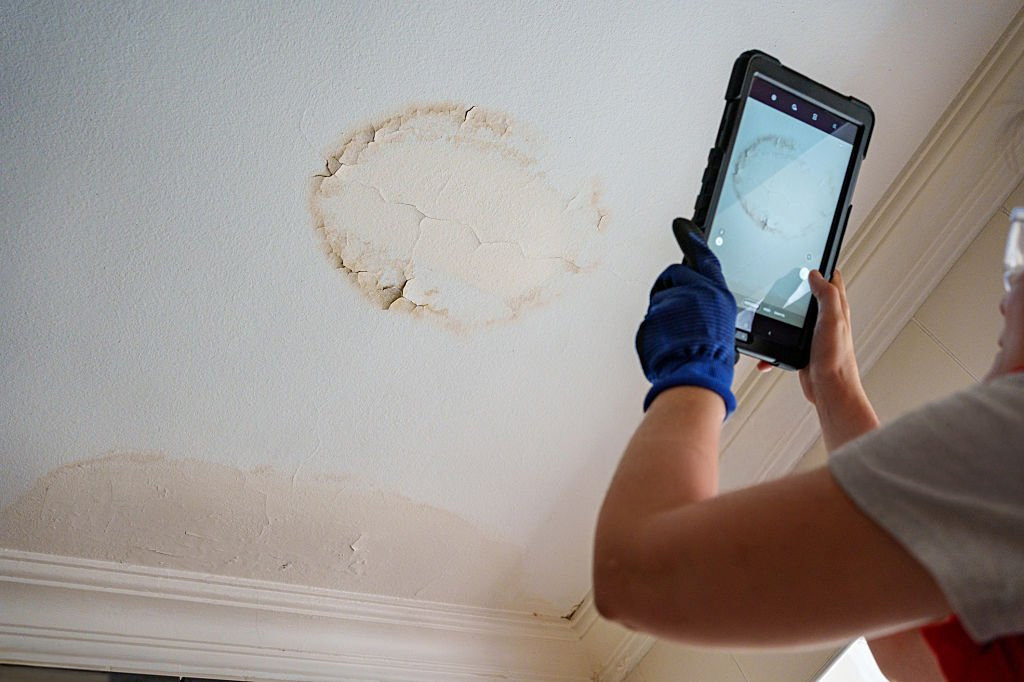
The Background: Why Awaab's Law Exists
In December 2020, two-year-old Awaab Ishak tragically died from a respiratory condition caused by prolonged exposure to black mould in his family's social housing flat in Rochdale. Despite repeated complaints from his parents over three years, the landlord failed to act. A building surveyor later declared the property "unfit for human habitation."
Awaab's Law was introduced to ensure this never happens again. It sets legally enforceable timeframes for landlords to investigate and fix damp and mould — with serious consequences for those who fail to comply.
While the law currently applies to social housing landlords, private landlords in London should be paying close attention. The government has confirmed plans to extend Awaab's Law to the private rented sector through the Renters' Rights Bill, with implementation expected from 2026.
What Is Awaab's Law?
Awaab's Law forms part of the Social Housing (Regulation) Act 2023 and came into force on 27 October 2025. It introduces strict, legally binding deadlines for landlords to respond to reports of damp, mould, and other serious hazards.
The law is being rolled out in phases:
Phase 1 (October 2025): Social landlords must address damp and mould hazards that present a significant risk of harm within fixed timeframes. Emergency hazards must be dealt with within 24 hours.
Phase 2 (2026): Requirements expand to cover additional hazards including excess cold and heat, structural collapse, fire, electrical hazards, and hygiene issues.
Phase 3 (2027): The law will cover all remaining hazards defined under the Housing Health and Safety Rating System (HHSRS), excluding overcrowding.
The Key Timeframes Under Awaab's Law
Once a landlord becomes aware of a potential damp or mould hazard, the clock starts ticking:
Investigation: Within 14 calendar days, landlords must investigate the issue to determine whether a hazard exists.
Written Summary: Within 3 working days of completing the investigation, landlords must provide tenants with a written summary of their findings.
Emergency Hazards: If the hazard poses an imminent and significant risk of harm, landlords must take action within 24 hours.
Significant Hazards: If the hazard presents a significant risk (but isn't an emergency), landlords must begin remedial works within 7 working days of completing the investigation.
Alternative Accommodation: If the property cannot be made safe within these timeframes, landlords must arrange and pay for suitable alternative accommodation for the tenant.
What Counts as an Emergency Hazard?
The definition of an emergency hazard under Awaab's Law is intentionally broad. It includes any condition that poses an imminent and significant risk of harm to the tenant's health or safety.
Examples include:
Severe or widespread mould growth affecting a tenant's respiratory health
Damp conditions causing or worsening serious health issues, particularly in vulnerable tenants
Structural failures or collapse risks
Gas leaks or electrical hazards
Total loss of water supply or heating
Landlords must also consider the specific vulnerabilities of their tenants. For example, a mould problem in a property housing someone with severe asthma, a newborn baby, or an elderly tenant may be classified as an emergency even if it wouldn't be for a healthy adult.
How Does This Affect Private Landlords in London?
Although Awaab's Law currently applies only to social housing providers, the government has made clear that private landlords will face similar obligations. The Renters' Rights Bill includes powers to extend Awaab's Law to the private rented sector, with implementation expected from 2026.
For London's private landlords, this means:
Preparation is essential. The regulatory direction is clear — waiting until the law formally applies to you is a risky strategy.
Existing laws still apply. Private landlords already have duties under the Homes (Fitness for Human Habitation) Act 2018 and the Landlord and Tenant Act 1985 to keep properties safe and free from serious hazards. Failing to address damp complaints can already lead to legal action, rent repayment orders, and local authority enforcement.
Tenants are increasingly aware of their rights. Media coverage of Awaab's case and the new law has raised tenant expectations. Complaints that might previously have gone unreported are now more likely to be escalated.
The Penalties for Non-Compliance
Landlords who fail to comply with Awaab's Law face serious consequences:
Court Action: Tenants can take landlords to court if they fail to meet the required timeframes.
Unlimited Fines: Courts can impose significant financial penalties for non-compliance.
Compensation Claims: Tenants may claim compensation for harm caused by hazardous living conditions.
Rent Repayment Orders: Tenants can apply to recover up to 12 months' rent if the property was unfit for habitation.
Regulatory Scrutiny: Social landlords face additional oversight from the Regulator of Social Housing and the Housing Ombudsman.
Reputational Damage: Public sanctions and media coverage can damage a landlord's reputation and affect their ability to let properties.
What London Landlords Should Do Now
Whether you're a social housing provider or a private landlord, the following steps will help you prepare for Awaab's Law and protect yourself from legal risk:
Review Your Repair Processes
How quickly do you currently respond to tenant complaints about damp or mould? Map out your current process from initial report to completed repair. Identify bottlenecks and delays that could prevent you meeting the new timeframes.
Implement Proactive Inspections
Don't wait for tenants to report problems. Schedule regular property inspections — every 3 to 6 months for higher-risk properties. Look for early signs of condensation, mould growth, ventilation issues, and plumbing leaks.
Create Clear Reporting Channels
Make it easy for tenants to report issues. Ensure you have a system to log complaints, track progress, and escalate urgent cases. Good communication is key — both for tenant relations and for demonstrating compliance if challenged.
Document Everything
Keep detailed records of all tenant communications, inspection reports, investigation findings, and repair works. Photographic evidence before, during, and after repairs is essential. If you ever need to demonstrate that you acted reasonably, these records will be invaluable.
Act on Complaints Immediately
Acknowledge every damp or mould complaint within 48 hours. Arrange a professional inspection within 7 to 14 days. If repairs are needed, complete them as quickly as possible and keep the tenant informed throughout.
Commission Professional Damp Surveys
A professional damp survey provides an independent, expert diagnosis of the problem. It identifies whether you're dealing with rising damp, penetrating damp, or condensation — and recommends the appropriate remediation.
This is crucial because:
It demonstrates you've taken the complaint seriously
It provides evidence-based findings rather than guesswork
It protects you if the tenant escalates the complaint or takes legal action
It ensures repairs address the root cause, not just the symptoms
Why a Professional Damp Survey Is Your Best Protection
Under Awaab's Law, landlords must investigate hazards properly and provide tenants with written findings. A professional damp survey fulfils this requirement and gives you a defensible position if disputes arise.
Our RICS-compliant damp surveys include:
Detailed diagnosis of the damp type (rising, penetrating, or condensation)
Moisture readings and thermal imaging evidence
Identification of the root cause
Clear recommendations for remediation
A written report you can share with tenants, local authorities, or legal advisors
For London landlords managing period properties — Victorian terraces, Edwardian conversions, and pre-war flats — accurate diagnosis is particularly important. These buildings often have complex moisture issues that require specialist assessment.
The "Lifestyle" Defence Is No Longer Valid
One significant change under Awaab's Law is that landlords can no longer blame tenants' "lifestyle" for damp and mould problems. Since the Housing Ombudsman's 2021 spotlight report, this defence has been discredited.
If you assume the tenant is causing the problem by drying clothes indoors or not opening windows, without properly investigating, you're exposing yourself to legal risk. A professional damp survey provides objective evidence of what's actually causing the issue — whether that's a structural defect, poor ventilation design, or something else entirely.
FAQs About Awaab's Law for London Landlords
Does Awaab's Law apply to private landlords yet?
Not directly — the law currently applies to social housing providers. However, the government has confirmed it will extend Awaab's Law to the private rented sector through the Renters' Rights Bill, expected to take effect from 2026. Private landlords should prepare now.
What happens if I can't complete repairs within the timeframes?
If you cannot make the property safe within the required timeframes, you must provide suitable alternative accommodation for the tenant at your own expense. You should also keep clear records showing why the delay occurred and what steps you took to comply.
Can tenants take me to court under Awaab's Law?
Yes. Tenants can use the courts to hold landlords accountable if they fail to meet the required timeframes. Landlords may face fines, compensation orders, and rent repayment orders.
What evidence do I need to protect myself?
Essential documentation includes: a professional damp survey report, photographic evidence before and after repairs, written communications with the tenant, repair invoices and receipts, and records showing your response times at each stage.
How do I know if a hazard is "significant" or an "emergency"?
Consider the severity of the issue, the health impact on the tenant, and any vulnerabilities (such as respiratory conditions, young children, or elderly occupants). When in doubt, treat the issue as urgent and commission a professional inspection immediately.
Preparing for the Future
Awaab's Law represents a fundamental shift in how the UK regulates housing safety. The message from government is clear: landlords must take damp and mould seriously, respond quickly, and fix problems properly.
For London landlords — whether social or private — the time to act is now. Proactive management, regular inspections, and professional damp surveys are your best defence against legal action and the best way to protect your tenants and your investment.
Book Your Damp Survey Today
Henderson Wood provides expert, RICS-compliant damp surveys across all London boroughs. Our independent reports give you the evidence you need to meet your legal obligations and resolve damp issues before they escalate.
Whether you're responding to a tenant complaint, preparing for Awaab's Law, or simply want peace of mind about your property's condition, we're here to help.